
Everyone wants free backlinks — and you should too. Backlinks remain one of Google’s strongest ranking signals, and not everyone has a budget for paid campaigns. But here’s what most guides won’t tell you upfront: free doesn’t mean effortless. Every legitimate free backlink costs time, effort, or expertise.
On this page
This guide is different. No “10,000 free backlinks instantly” nonsense. Just 12 legitimate methods that actually work, a framework for judging backlink quality, and honest warnings about the traps that get sites penalized. Let’s get into it.
What Are Free Backlinks (And Are They Worth It)?
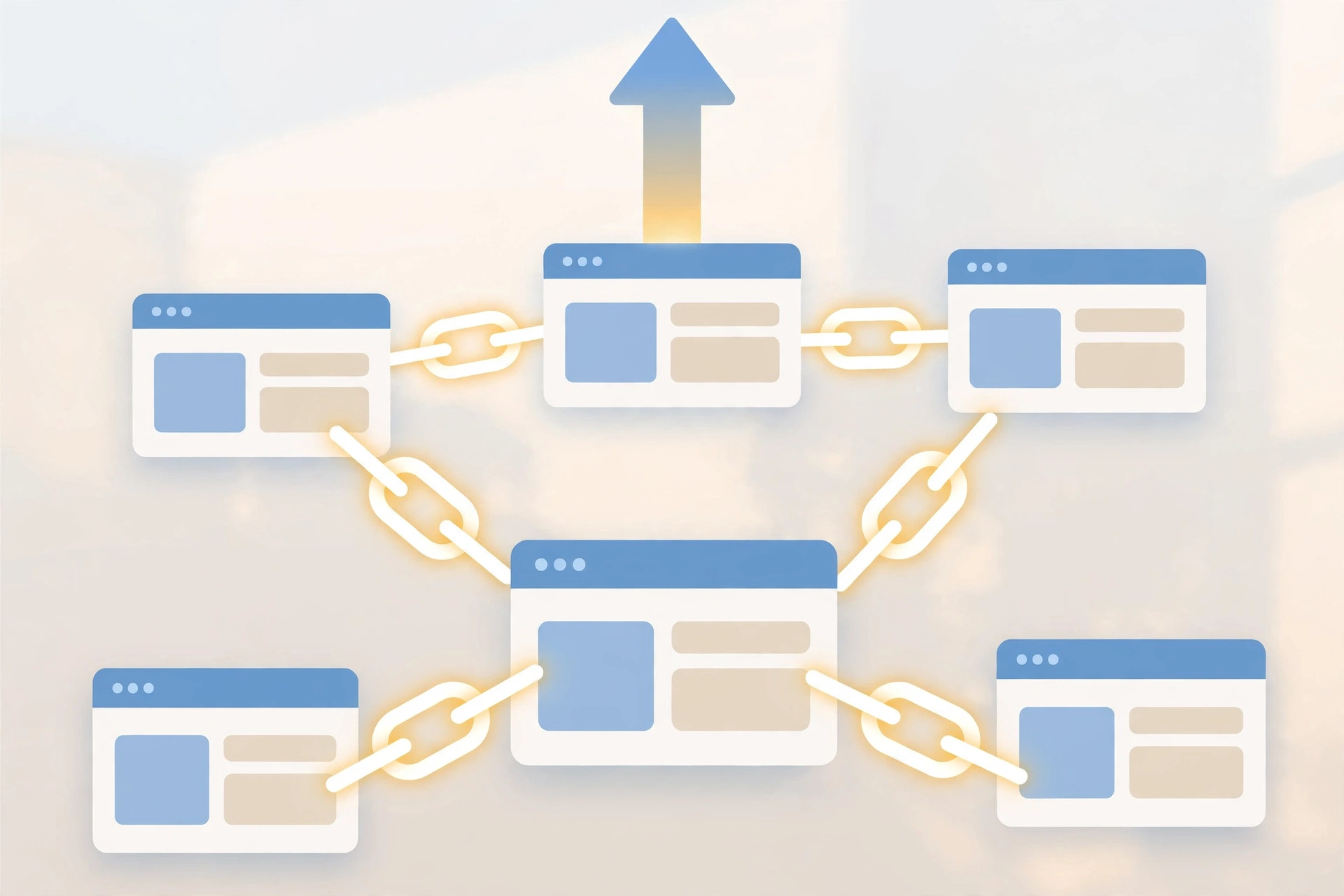
Backlinks are links from other websites pointing to your site. Search engines treat them as votes of confidence — a link from a reputable site tells Google your content is worth referencing. More high-quality backlinks means more authority and better ranking chances.
A free backlink is simply a backlink you earn without paying money for it. That includes links from guest posts you write, directory listings you submit, podcast appearances, HARO mentions, and dozens of other methods we’ll cover below.
Are they worth pursuing? Yes — with a caveat. One relevant editorial backlink beats 100 spammy free links. “Free” means money, not effort — real work is why Google rewards these methods.
The golden rule: if a free backlink method sounds too easy, it’s probably too risky. Keep that in mind as we go through the list.
Twelve Legitimate Ways to Get Free Backlinks
Every method below is free in terms of money. I’ve rated each by difficulty so you know what you’re getting into. Start with the easy wins, then work your way up.
Niche-Relevant Business Directories (Easy)
Not all directories are spam. Industry-specific directories — the ones real humans actually browse — still pass value. Think: your local chamber of commerce, industry association listings, or curated niche directories (like a “top SEO blogs” list).
Why it works: These directories have editorial standards and real traffic. A listing here is a legitimate citation, not a link scheme.
How to do it: Search Google for [your niche] + directory or [your niche] + “submit your site”. Vet each one — if it lists thousands of unrelated spammy sites with no editorial review, skip it.
Profile Backlinks from Forums and Communities (Easy)
Forum backlinks get a bad reputation because spammers ruined them. But there’s a legitimate version: create genuine profiles on communities where you’re actually active — industry forums, Reddit, Quora, Stack Exchange, or niche Slack/Discord communities with public profiles.
Why it works: An active profile with your website linked is a natural citation. The key word is active — zero posts plus a link is spam; 200 helpful answers plus a link is credibility.
How to do it: Pick 2-3 communities in your niche. Contribute genuinely for a few weeks. Add your link to your profile (not in every post). Let the profile backlink be a byproduct of real participation.
HARO and Journalist Requests (Medium)
HARO (Help a Reporter Out) and alternatives like Terkel, Qwoted, and Featured connect journalists with expert sources. When a journalist quotes you, you usually get a backlink from a news site or major publication.
Why it works: These are editorial backlinks from high-authority domains — exactly the kind Google values most. One HARO link from a major publication can outperform months of directory submissions.
How to do it: Sign up free for daily journalist queries. Respond only where you have genuine expertise. Keep pitches short (150–200 words), quotable, and specific — speed matters, journalists work on deadlines.
Guest Posting (Medium)
Write a high-quality article for another website in your niche, and include a natural backlink to your site in the author bio or within the content (where editorially appropriate).
Why it works: You’re trading value (great content) for exposure and a link. Site owners get free content; you get a backlink and access to their audience. It’s the oldest legitimate link building tactic for a reason.
How to do it: Find sites accepting guest posts (see our guest posting sites list). Pitch 2–3 specific topics — never a generic “can I write for you?” email. Write excellent content, not a thinly-veiled ad.
Broken Link Building (Medium)
Find broken (dead) links on other websites, then email the site owner suggesting your content as a replacement. You’re doing them a favor by flagging the issue.
Why it works: Site owners want to fix broken links — it improves their user experience. If your content is a good replacement, they’ll link to you out of gratitude, not obligation.
How to do it: Scan niche resource pages with a free broken link checker. When you find a dead link, check if you have (or can create) replacement content, then send a polite, specific email. Our broken link building guide covers the full process.
Resource Page Outreach (Medium)
Many websites maintain “resources” or “useful links” pages. If your content is genuinely useful, you can pitch it for inclusion.
Why it works: Resource pages exist specifically to link out to helpful content. You’re not interrupting — you’re contributing to something the site owner already maintains.
How to do it: Search Google for [your topic] + “useful resources” or [your topic] + “helpful links”. Vet the page, then send a short personalized pitch explaining why your resource deserves a spot.
Podcast Guesting (Medium)
Appear as a guest on podcasts in your niche. Most podcasts publish show notes with links to their guests’ websites.
Why it works: Podcast show notes pages are real, editorial content on (usually) legitimate websites. Plus you get exposure to an engaged audience. It’s one of the most underused free link building tactics.
How to do it: Search podcast directories for niche shows. Pitch 3 specific topics you’d discuss — start small, then target bigger shows. See getting backlinks from podcasts for the full strategy.
Testimonials for Tools You Use (Easy)
Write a genuine testimonial for a SaaS tool, plugin, or service you actually use. Many companies publish testimonials on their site with a link back to the reviewer.
Why it works: Companies love social proof. A detailed, specific testimonial (not “great tool!”) often earns you a spot on their testimonials or case studies page — with a backlink.
How to do it: List 5–10 tools you genuinely use. Check for a testimonials page, then send a 3–4 sentence testimonial with specific results (“increased our conversion rate by 23%”), plus your name, title, and website.
Unlinked Brand Mentions (Easy)
Sometimes websites mention your brand, product, or content without linking to you. A polite email asking them to add the link often works.
Why it works: They already decided your brand was worth mentioning. Adding a link is a tiny step — most site owners are happy to do it when asked nicely.
How to do it: Set a Google Alert for your brand name. When you find an unlinked mention, send a brief thank-you and ask if they’d link it. Friendly, not demanding.
Skyscraper Outreach on Your Best Content (Hard)
Create the single best resource on a topic in your niche (the “skyscraper”), then email everyone who linked to inferior competing content and show them yours.
Why it works: You’re not asking for a favor — you’re offering an upgrade. If your content is genuinely better (more current, more comprehensive, better designed), some linkers will switch.
How to do it: Find a topic where top-ranking content is outdated or thin, then create something 10x better. Use a backlink checker to find who links to competitors, and outreach with a personalized pitch. Real effort, top-tier links — see our backlinks tutorial.
Community Answers — Quora, Reddit (Easy, with Honesty)
Answer questions on Quora, Reddit, or niche forums where your expertise is relevant. Most of these links are nofollow, but they drive traffic and build visibility.
The honest truth: These won’t directly boost your rankings (nofollow links don’t pass PageRank). But they’re not worthless — they drive referral traffic, build brand awareness, and sometimes lead to followed links when bloggers discover you through your answers.
How to do it: Only answer questions where you have real expertise. Give genuinely helpful, complete answers — not teasers designed to force a click. Include your link only when it’s directly relevant to the answer.
Free Tools or Widgets with Embed Links (Hard)
Build a genuinely useful free tool, calculator, or widget. Offer an embed code that includes a backlink to your site.
Why it works: If your free tool solves a real problem, bloggers embed it — and each embed is a backlink. Our free backlink checker tools earn links at scale exactly this way.
How to do it: Identify a simple, repetitive niche task that could be automated. Build a minimal version and promote it to bloggers. Highest upfront effort, highest long-term payoff.
Backlink Quality: How to Tell a Good Free Link from Spam
Not all free backlinks are equal. Run every new link through this 60-second checklist:
1. Relevance: Is the linking site topically related? A cooking blog linking to your SEO site is a red flag; a marketing blog is perfect.
2. Real traffic: Does the site get visitors? Zero traffic plus 5,000 outbound links equals link farm, not resource.
3. Editorial placement: Is your link naturally placed in content, or stuffed in a footer or sidebar? Editorial in-content links carry the most weight.
4. Dofollow vs. nofollow: Dofollow passes ranking authority; nofollow doesn’t (directly). A natural profile has both — all-dofollow from low-quality sites looks suspicious. See Moz’s guide to external links.
5. Spam score: Check the domain’s spam score with a free checker. Scores above 30–40% suggest manipulative practices — avoid association.
6. Anchor text: Is it natural? Fifty sites using the exact anchor “best cheap SEO services” is a manipulation signal. Natural profiles mix branded, naked URLs, generic, and occasional exact-match.
If a link fails most checks, skip it. Learn to identify harmful spammy links early — disavowing later is far more painful than avoiding them now.
Free Backlink Checker: Verify Your New Links
You’ve earned free backlinks — now verify them. Google Search Console (Links → External links) shows which domains Google has discovered linking to you. For any site’s full profile, our free backlink checker shows referring domains, anchors, and authority.
What to check: link is live, dofollow vs. nofollow, natural anchor, domain authority. If a built link doesn’t appear after 2–4 weeks, follow up politely.
“Free Link Building Services” — The Honest Truth
Search “free link building services” and you’ll find companies offering links at no cost. Here’s the truth: nobody does real work for free. Anyone offering “free” done-for-you link building is either:
- Building spammy links from their private network (which will hurt you long-term)
- Using your site as a test subject for their automated tools
- Offering a “free trial” that converts to a paid plan (with low-quality links to hook you)
- Planning to upsell you once you’re dependent on their reports
Red flags:
- Guaranteed counts: “We’ll get you 100 backlinks!” — legitimate link building can’t guarantee quantities. Only spam can.
- Secret networks: “We have a private network of 500 sites” — that’s a PBN, explicitly against Google’s guidelines.
- No site list: If they won’t show you WHERE your links will appear before building them, run.
- Instant results: Real link building takes weeks to months. Anyone promising overnight links is cutting corners.
- No content required: If they need nothing from you — no content, no expertise — they’re not doing outreach. They’re placing links on owned properties.
Legitimate free backlinks require YOUR effort — your expertise for HARO, your content for guest posts, your time for outreach. There’s no shortcut. Anyone selling you one is selling you a penalty waiting to happen.
Free Backlink Mistakes That Get Sites Penalized
Even with good intentions, beginners make mistakes that trigger Google penalties. Here are the most common ones — and what to do instead:
Mistake 1: Blog comment spam. Dropping your link in hundreds of comments with keyword-rich anchors. Instead: leave thoughtful comments on 5–10 relevant blogs monthly, linking only when it genuinely adds value.
Mistake 2: Automated link building tools. Software that mass-submits your site to directories or auto-generates profiles. Instead: do everything manually — automation leaves footprints Google detects.
Mistake 3: Link exchange schemes. “I’ll link to you if you link to me” at scale. A few natural reciprocal links are fine; organized networks are not. Instead: earn one-way editorial links through value.
Mistake 4: Over-optimized anchor text. Getting 30 links all anchored “free backlinks” or your money keyword. Instead: let anchors vary naturally — mostly branded or naked URLs.
Mistake 5: Ignoring nofollow balance. Avoiding nofollow links because “they don’t count.” Instead: embrace them — a natural profile includes nofollows; zero looks manipulated.
Mistake 6: “Free trial” links that turn toxic. Some services offer free trial links that stay on spammy pages after you cancel. Instead: vet every placement first. If you spot harmful backlinks pointing at your site, learn how to disavow bad backlinks via Google’s Disavow Tool.
FAQ
How many free backlinks do I need to rank?
There’s no magic number — it depends on niche competitiveness, linking-domain quality, and your content. A local plumber might rank with 20 good links; a competitive SaaS keyword might need 200+. Prioritize quality over quantity: 10 links from authoritative, relevant sites beat 100 from dead directories. See how to get high authority backlinks to prioritize.
How long do free backlinks take to work?
Typically 4–12 weeks. Google must discover the linking page, crawl it, process the link, and recalculate your authority — so don’t expect overnight results, and distrust anyone who promises them. Monitor new links with a free backlink checker.
Are forum backlinks still effective in 2026?
With nuance. Forum profile links alone won’t move rankings — they’re usually nofollow and low-authority. But active participation builds relationships that lead to real editorial links, guest posts, and podcast invites. Treat forums as networking; the backlink is a side effect of being helpful.
Can free backlinks hurt my site?
Yes, if they’re spammy — links from link farms, PBNs, hacked sites, or irrelevant directories can trigger filters or manual penalties. Google largely ignores (rather than penalizes) most low-quality links today, but for spam attacks or manual actions, the disavow tool is the last resort.
What’s the fastest legitimate free method?
Unlinked brand mentions — if you have brand awareness, converting mentions can take days. For new sites, HARO is fastest: answer a journalist query today, get published with a link within a week. Testimonials are quick too — most companies publish good ones within days.
The bottom line: Free backlinks are worth pursuing — but only the legitimate kind. Start with 2–3 methods above, prioritize quality over quantity, and be patient: long-term winners have the most earned links, not the most links. To scale further, see our complete backlinks tutorial and link building outreach guide.
Done-for-you podcast backlinks
Get your brand on Apple Podcasts, Spotify, Amazon and 25 more trusted platforms — placed by hand, reported link by link.