
Link building outreach is the process of emailing website owners, editors, and bloggers to ask for a backlink — but doing it in a way that actually earns one. Most outreach fails because it’s really just spam: the same generic template blasted to thousands of strangers. Real outreach is different. It starts with a page worth linking to, targets people who genuinely care about that topic, and writes them a short, specific, human email. The data backs this up: a Backlinko and Pitchbox study of 12 million outreach emails found that only 8.5% of outreach emails get any response at all — but personalized messages and follow-ups dramatically improved those odds.
On this page
- What Link Building Outreach Actually Is
- Finding the Right People to Email
- Writing Emails That Get Replies
- The Follow-Up
- Outreach Mistakes That Kill Campaigns
- Scaling Without Spamming
- Proven Outreach Email Templates
- What Is Link Outreach?
- How to Do Link Outreach: The Five-Step Process
- Link Outreach Email Templates
- Frequently Asked Questions
This guide covers the full process: finding the right people, what to write (template included), when to follow up, the mistakes that kill most campaigns, and how to scale without spamming.

What Link Building Outreach Actually Is
At its simplest, outreach is asking for a link. But that framing is exactly why most campaigns fail. If you’re still fuzzy on the fundamentals, learn the link building process from scratch before diving into outreach tactics. Nobody wakes up wanting to give you a backlink. Site owners link to things that make their content better, fix a problem, or give their readers something genuinely useful.
So effective outreach is never really about asking. It’s about offering: a broken-link replacement for a resource page editor, a better source for a blogger citing an outdated page, a data point for a journalist writing a story. The link is the natural result of something valuable changing hands — not a favor extracted from a stranger.
This is also why outreach and content are inseparable. Outreach without something worth linking to is begging. Before you send a single email, you need what SEOs call a “linkable asset”: a guide, study, tool, infographic, or resource that a stranger would feel good about linking to. If you can’t honestly say your page is one of the best resources on its topic, fix that first — no email technique compensates for a page that doesn’t deserve the link.
One more honest point: outreach is a numbers game with honest odds. The Backlinko/Pitchbox study of 12 million real outreach emails found an average response rate of just 8.5% — meaning more than nine out of ten emails went unanswered. That’s not a reason to avoid outreach. It’s a reason to do it properly, because the campaigns that personalize and follow up capture a disproportionate share of the replies.
Finding the Right People to Email
Bad outreach starts with bad prospecting. If you’re emailing the wrong people, no subject line or template saves you. Good prospecting answers three questions: who links to content like yours, who maintains the pages you want links from, and how do you reach them directly.
Start with pages that already link to similar content. The easiest prospects are sites that have linked to your competitors. Use a free backlink checker to see who’s linking to rival guides in your niche — those sites have already demonstrated they link to this type of content. A resource page that links to three competitor guides is a far better prospect than a random blog in your niche, because the linking behavior is proven. — run a backlink gap analysis on your top competitors to turn this into a repeatable prospect list. My guide on reviewing your backlink profile walks through the free tools for this research.
Target the person who can actually say yes. For a blog, that’s the author or editor of the specific page; for a news site, the journalist covering your beat. A generic info@ address reaches whoever triages the inbox — usually someone with no authority to add links. Spend two minutes on the about page or author bio to find the actual human. The Pitchbox/Backlinko data found that emailing multiple contacts at the same organization lifted response rates by 93%, so two well-chosen recipients beat one guess.
You can check any site’s authority for free with our website authority checker.
Find a real email address. Most sites list a contact email, an author bio link, or a social profile where you can ask. Free email-finder tools exist for the harder cases, but respect the obvious boundary: if someone has no public contact information and no stated interest in pitches, they’re telling you not to email them. Move on.
Qualify before you add to the list. Before anyone makes your outreach list, check: is the site real and maintained (recent posts, real authors)? Is it relevant to your topic? Does it link out to external resources, or is every “link” a paid placement? A list of 50 qualified prospects beats a list of 5,000 scraped domains every time — fewer emails, more replies, zero spam complaints.
Writing Emails That Get Replies
Here’s the uncomfortable truth about outreach emails: the recipient decides in about five seconds whether to keep reading. Your email is competing with dozens of other pitches in the same inbox, most of them terrible. The bar is low — which is good news, because a short, specific, human email stands out immediately.
Subject lines: specific beats clever. The 12-million-email study found that personalized subject lines lifted response rates by 30.5% compared to generic ones. “Quick question about your [topic] resource page” beats “Link opportunity!!!” every time. Mention the actual page or topic. Never use deceptive subject lines like “Re:” or “Following up” on a first email — that’s a lie, and people can tell.
The body: three paragraphs, max. Successful outreach emails follow the same skeleton:
- One specific observation. Show you actually looked at their page. Reference the article, the section, the outdated link — something that proves this email wasn’t blasted to 10,000 people.
- One clear, relevant suggestion. What are you offering, and why does it fit? One sentence on what your content is and why it’s a good fit for their page.
- One easy ask. “Would you consider adding it?” or “Thought it might be worth a look.” Low pressure, easy to say yes to.
Keep it under 150 words — paste your draft into a free word counter before sending. Nobody reads long cold emails — every sentence must earn its place.
Here’s a template built on that structure — adapt it, don’t copy it verbatim:
Subject: Broken link on your [topic] guide
Hi [Name],
I was reading your guide on [topic] — the section on [specific section] is one of the clearest explanations I’ve seen.
One thing I noticed: the link to [resource name] in that section goes to a page that no longer exists. I recently published [brief description of your content] covering [same topic], in case you’re updating the page and need a replacement.
Either way, figured you’d want to know about the broken link.
Thanks,
[Your Name]
Why this works: the first paragraph proves you read the page. The second delivers genuine value (a broken link report) before making a soft suggestion. The third removes all pressure. There’s no hype, no flattery overload, no “I’d be honored.” Just a human being helpful. This same help-first pattern powers broken link building tactics, one of the highest-converting outreach angles, because the value to the recipient is obvious.
Personalization must be real. The study found personalized email bodies got a 32.7% better response rate — but that means genuine personalization, not mail-merge tokens. “[First Name], I loved your recent post” fools nobody. Reference something specific: a point they made, a section you used, a detail only a reader would know. If you can’t find anything specific to say about a prospect’s page, that’s a sign they shouldn’t be on your list.
The Follow-Up
Most replies come from follow-ups, not first emails. The Pitchbox/Backlinko data is unambiguous: emailing the same contact multiple times led to roughly twice as many responses. People are busy. Your first email arrived during a packed morning, got buried, and was forgotten — not rejected. A follow-up isn’t pestering; it’s a second chance at a first impression.
Follow up once, maybe twice. One polite follow-up after 5–7 days is standard and expected. A second follow-up a week later is acceptable if the prospect is high-value. Beyond that, you’re pestering, and pestering burns bridges in a small industry where editors talk to each other.
Make the follow-up shorter than the first email. Don’t resend the whole pitch. Two or three lines: a quick bump, the link again for convenience, and an easy out. Something like:
Hi [Name], just floating this back to the top of your inbox in case it got buried. Here’s the [content description] again: [your URL]. No worries at all if it’s not a fit — thanks for your time either way.
Give them an easy “no.” “No worries if it’s not a fit” does two things: it respects their time, and it paradoxically makes a “yes” more likely, because there’s no pressure. Desperate follow-ups (“Just checking in for the third time!!”) get marked as spam.
Track everything. A simple spreadsheet — prospect, contact, date sent, follow-up date, reply, link earned — prevents the two cardinal sins: following up with someone who already replied, and never following up at all.
Outreach Mistakes That Kill Campaigns
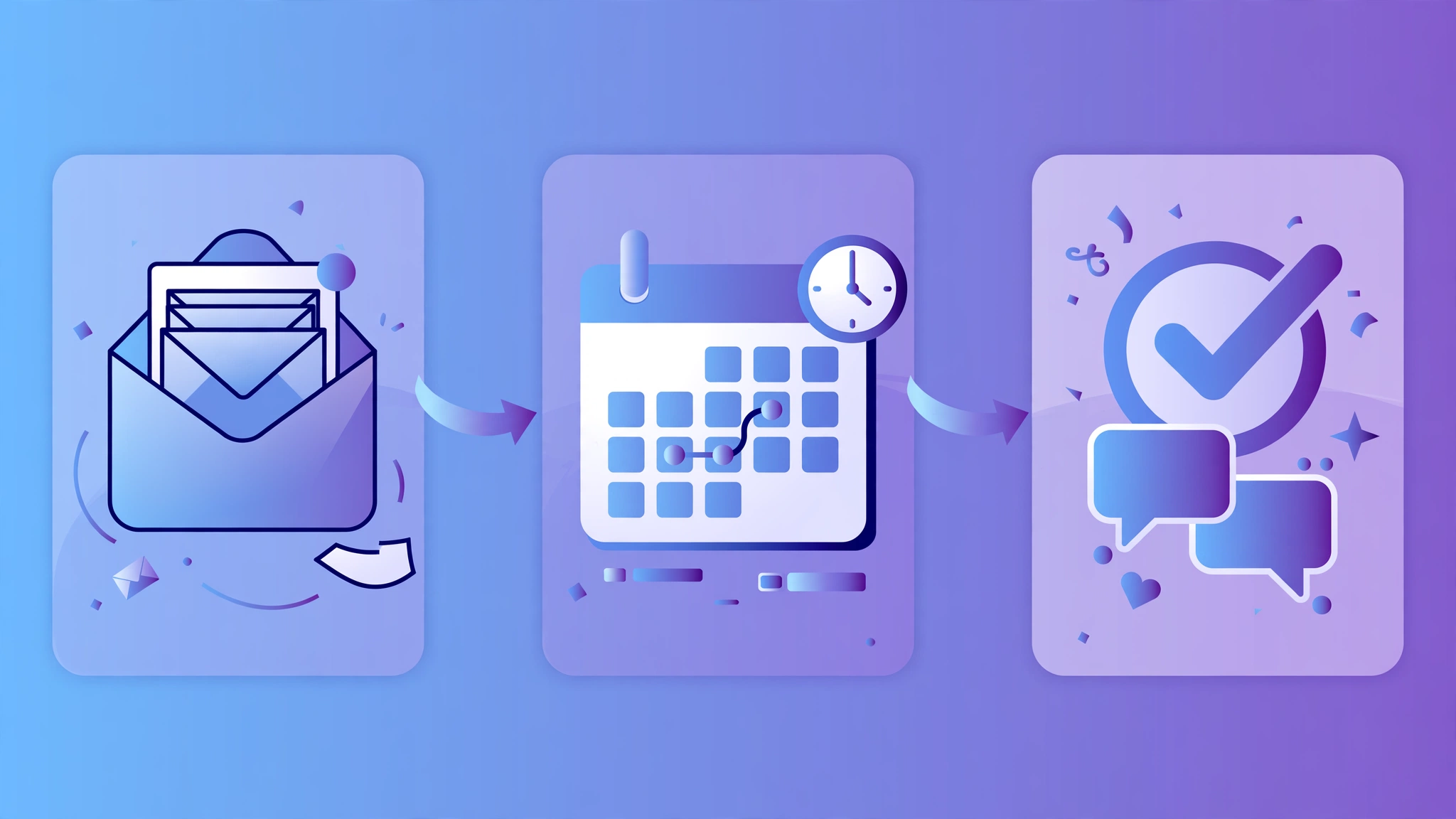
Most outreach doesn’t fail because of bad luck. It fails because of the same handful of preventable mistakes. If your campaigns are getting silence, check this list first.
Mass blasting the same template. Sending 5,000 identical emails isn’t outreach — it’s spam, and it’s the fastest way to burn your domain’s sender reputation. Email providers track spam complaints; enough of them and your emails stop reaching inboxes at all, including the legitimate ones. Start small, personalize genuinely, and scale the personalization — not just the volume.
Fake personalization. “Hi {FirstName}, I just read your {BlogName} post about {Topic}” — with the tokens barely filled in — is worse than no personalization. Recipients recognize mail-merge instantly, and it signals that you didn’t actually read anything. One genuine specific sentence beats ten template tokens.
No clear ask. Some outreach emails ramble through three paragraphs of flattery and never actually say what they want. The recipient finishes reading and thinks: “…and?” State the ask plainly. People are more likely to help when helping is easy to understand.
Pitching before the content exists. “I’m writing a guide on X and wondered if you’d link to it when it’s done” is asking someone to commit to something invisible. Publish first, pitch second. The recipient needs to see the actual page to judge whether it’s worth linking to.
Targeting the wrong sites. Pitching a vegan recipe blog for a link to your forex trading guide isn’t just ineffective — it’s insulting. Every irrelevant pitch trains recipients to ignore the next one, including from people with genuinely relevant content. Relevance is the price of admission.
Ignoring Google’s spam policies. Google’s spam policies explicitly prohibit link schemes, including large-scale article marketing with keyword-rich anchor text and excessive link exchanges. Outreach that earns genuine editorial links is fine; outreach that’s a cover for buying links or automated spam is playing with fire. My guide on acquiring backlinks sticks to the methods that stay on the right side of this line.
Giving up after one email. As the data shows, follow-ups roughly double responses. Most failed campaigns aren’t bad campaigns — they’re campaigns that quit before the follow-up.
Scaling Without Spamming
Here’s the tension every link builder faces: personalization works, but it’s slow. Templates scale, but they’re impersonal. The solution isn’t choosing one — it’s systematizing personalization so each email is both personal and efficient.
Segment your prospects. Group prospects by outreach angle: broken link prospects get the broken-link email, resource-page prospects get the resource email, journalists get the data pitch. Each segment gets its own template with its own personalization fields. Five segments of 40 prospects outperform one blast to 200.
Template the structure, personalize the specifics. The skeleton — observation, suggestion, ask — stays the same. What changes per email: the page you reference, the specific detail you noticed, the reason your content fits their page. Aim for 2–3 genuinely custom sentences per email. That’s the difference between “personalized” and “mail-merged.”
Use tools for the mechanical parts. Spreadsheets or a simple CRM for tracking, email finders for contact discovery, and mail-merge tools that send from your own address in small batches. What tools should never do: write the personalization for you, or send at a volume that looks automated. If your “personalized” line could apply to any site, it’s not personalization.
Protect your sender reputation. Send from a real address on your domain, keep daily volumes modest (dozens, not hundreds, when starting out), and stop immediately if you get spam complaints or “remove me” replies — honor them instantly and permanently. A burned domain poisons every future campaign.
Measure what matters. Track reply rate and links earned per campaign, not emails sent. Then double down on the angles and templates that convert.
Proven Outreach Email Templates
Here are copy-paste email templates for the most common outreach scenarios. Personalize the bracketed parts before sending.
It’s one of the few link building methods where you control the outcome. You don’t wait for links to appear — you go and earn them. This guide walks through the entire process: how to find prospects, what to write, when to follow up, and the mistakes that kill most campaigns before they start.
What Is Link Outreach?
Link outreach means contacting people who run websites and asking them to link to your content. It’s done by email, occasionally through social media or contact forms, and the goal is always the same: earn an editorial backlink that passes authority to your site.
Outreach link building sits in the “active” category of SEO work. Instead of publishing content and hoping someone finds it, you identify sites that would genuinely benefit from linking to your resource and you make a direct, personalized case. The best outreach doesn’t feel like marketing — it feels like someone pointing out something useful you missed.
There are several flavors of link outreach, each with a different angle:
| Outreach type | What you ask for | Typical response rate |
|---|---|---|
| Broken link building | Replace a dead link with your content | Moderate — you’re doing them a favor |
| Resource page inclusion | Add your guide to a curated list | Lower — curators get many requests |
| Guest post pitch | Publish your article on their site | Moderate — depends on writing quality |
| Link reclamation | Turn an unlinked mention into a link | High — they already mentioned you |
| Digital PR | Cover your data or story | Varies — newsworthiness decides |
The method you choose changes what you write, but the underlying mechanics are the same. Below is the process that works across all of them.
Verdict: Start with link reclamation and broken link building if you’re new — they have the warmest reception and teach you the fundamentals fast.
How to Do Link Outreach: The Five-Step Process
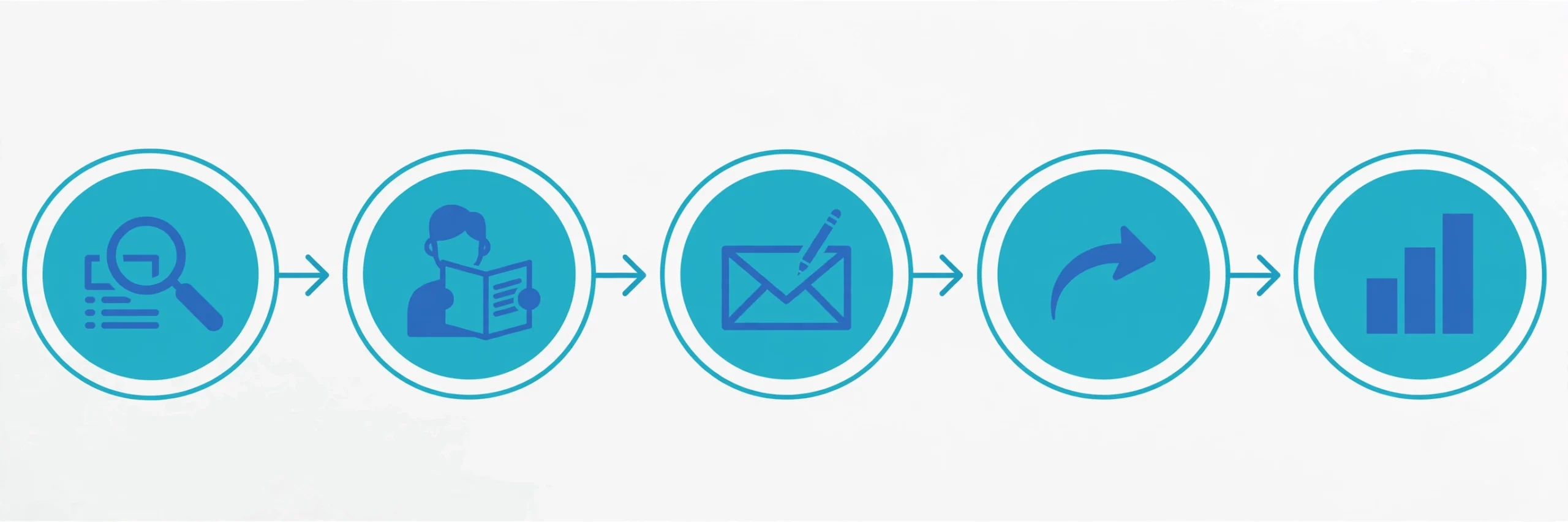
Learning how to do link outreach comes down to a repeatable system. Five steps in order: build a prospect list, research each prospect, write a personalized pitch, follow up, and track everything. Skip any step and your results collapse.
This process assumes you already have something worth linking to — a genuinely useful guide, an original data point, a tool, or a visual asset. Outreach amplifies good content; it can’t rescue content nobody would link to even if they saw it. If you’re unsure whether your content is link-worthy, read our link building outreach guide first — it covers what makes content worth pitching.
Build Your Prospect List
Your prospect list decides everything. Pitching the wrong sites with a perfect email still fails, while a mediocre email to the right site can succeed.
Find prospects by looking at who already links to content like yours. If ten blogs linked to a competitor’s guide on your topic, those same blogs are proven linkers in your niche — the warmest targets you’ll ever find. Export those referring domains with a backlink tool, then filter for topical relevance, real editorial standards, and regular publishing.
A simple qualification checklist keeps your list honest:
- Topical relevance: Do they publish about your topic? A fitness blog won’t link to your SaaS pricing guide.
- Editorial standards: Do they link out to external sources in their articles? Sites that never link out won’t start for you.
- Traffic and authority: A link from a real site with modest authority beats a link from a high-authority directory nobody reads.
- Contactability: Can you find a real person’s email? “info@” inboxes convert far worse than a named editor.
Aim for 50 to 100 qualified prospects per campaign. Fewer than that and one bad batch kills the campaign; more than that and you can’t personalize properly. For deeper prospecting methods, our guide on how to get backlinks covers the full process.
Research Each Prospect
Personalization is what separates outreach from spam. It doesn’t mean writing a novel about every recipient — it means one genuine, specific detail that proves you looked at their site. Mention a specific article they wrote, a point they made, or a gap your resource fills.
Spend two to three minutes per prospect. Open their site, read the article you’d want your link placed in, and note one concrete detail: the author’s name, a recent relevant post, or something their article is missing that yours covers. That single detail becomes your opening line.
What doesn’t count: “I loved your recent article” (which article?), “I see you write about SEO” (so does everyone). Generic flattery is worse than none — editors spot template compliments instantly.
Write the Pitch
A good outreach email has four parts: a specific subject line, a personal opener, a clear value proposition, and a single easy ask. The whole thing should be readable in under 30 seconds.
Here’s the structure with a concrete example:
Subject: Broken link on your SEO tools roundup

Hi Sarah,

I was reading your roundup of free SEO tools and noticed the
link to KeywordTool's old URL returns a 404 — they moved that
page last month.

We maintain a free keyword research guide that covers the same
ground. Happy to share it if you're looking for a replacement.

Either way, great roundup — the section on long-tail tools was
genuinely useful.

Best,
Mubashir
Follow Up
Most replies come from follow-ups, not first emails. Editors are busy; your first email often gets buried. A polite follow-up a few days later is expected — it’s not pushy, it’s how business email works.
Send one follow-up three to five days after the first email, and a second seven to ten days after that. Each follow-up should add something new — a shorter version of the ask or a different angle — not just “bumping this up.” Two follow-ups is the sweet spot; beyond that you’re nagging.
Track Everything
Log every prospect, email sent, reply, and link earned in a spreadsheet or CRM. Without tracking, you can’t calculate your response rate, tell which subject lines work, or avoid emailing the same person twice.
The metrics that matter: open rate (do subject lines work?), reply rate (does the pitch resonate?), and link conversion rate (replies that become links). A healthy campaign sees reply rates of 5 to 15 percent. Below 3 percent, something is wrong — usually the prospect list, not the copy.
Link Outreach Email Templates
Templates are starting points, not scripts. Customize every one with the specific detail you found during research — the template gives structure, your research gives it life.
Broken Link Building Template
Subject: Found a broken link on [Page Title]

Hi [Name],

While reading your [specific article title], I clicked through
to [broken resource name] and it looks like the page is gone —
returns a 404 now.

I actually wrote a [guide/tool] on [topic] that covers the same
material. Thought it might work as a replacement if you're
updating that page.

No worries either way — just wanted to flag the broken link.

Cheers,
[Your Name]
Resource Page Template
Subject: Suggestion for your [Topic] resources page

Hi [Name],

Your resources page on [topic] is one of the most thorough
I've found — the section on [specific section] saved me a lot
of time.

I recently published [your resource title], which [one-line
description of what it covers and why it's different]. Thought
it might be a useful addition to your list.

Here's the link if you want to take a look: [URL]

Thanks for maintaining such a great resource.

Best,
[Your Name]
Guest Post Pitch Template
Subject: Guest post idea for [Site Name]: [Proposed Title]

Hi [Name],

I've been reading [Site Name] for a while — your piece on
[specific article] changed how I think about [topic].

I'd love to contribute a guest post. Here's an idea I think
would fit your audience:

"[Proposed Title]" — [2-3 sentences on what the article covers
and why their readers would care]

I've written for [1-2 credible sites if any]. Happy to share
writing samples.

Would this work for you?

Thanks,
[Your Name]
Frequently Asked Questions
Quick answers to the most common questions about outreach:
What is link building outreach?
It’s the practice of emailing website owners, editors, and bloggers to earn backlinks — typically by offering something valuable (a better resource, a broken-link replacement, data for a story) rather than just asking for a link. Done well, it’s personalized, targeted, and helpful; done poorly, it’s spam. The difference is whether the recipient genuinely benefits from your email.
What is a good response rate for outreach emails?
A large Backlinko and Pitchbox study of 12 million outreach emails found an average response rate of 8.5% — so expect most emails to go unanswered. But the same study found that personalized subject lines lifted responses by about 30%, personalized message bodies by about 33%, and follow-ups roughly doubled total responses. Your rate depends far more on targeting and personalization than on volume.
How many follow-up emails should I send?
One follow-up after 5–7 days is standard; a second follow-up a week later is acceptable for high-value prospects. Research shows follow-ups roughly double response rates, but more than two crosses into pestering. Keep follow-ups shorter than the original email and always include an easy opt-out like “no worries if it’s not a fit.”
Is outreach against Google’s guidelines?
Genuine outreach that earns editorial links is fine. What Google’s spam policies prohibit are link schemes: buying or selling links, excessive link exchanges, and large-scale automated campaigns built to manipulate rankings. If a site owner freely chooses to link to your content because it’s useful, that’s exactly the kind of link Google wants to count.
How do I find email addresses for outreach?
Start with the obvious: contact pages, author bios, and about pages usually list an email or a contact form. For harder cases, free and paid email-finder tools can guess addresses from a name and domain — always verify before sending. And respect the boundary: if someone publishes no contact information and shows no interest in pitches, don’t hunt them down. Move on to the next prospect.
Done-for-you podcast backlinks
Get your brand on Apple Podcasts, Spotify, Amazon and 25 more trusted platforms — placed by hand, reported link by link.