

Learning how to build backlinks quickly starts with picking the right methods: reclaim unlinked brand mentions, fix broken links that point to competitors, and respond to journalist requests — tactics that produce results in days, not months. The key is choosing strategies with short feedback loops instead of slow-burn approaches like digital PR campaigns.
On this page
- The Honest Truth About How to Build Backlinks Quickly
- Fast vs Slow Link Building Methods Compared
- Reclaim Links You Already Deserve
- Broken Link Building: The Two-Week Sprint
- HARO and Journalist Requests: Ride the News Cycle
- Your 7-Day Fast Link Building Action Plan
- Shortcuts That Will Get You Penalized
- Frequently Asked Questions
- The Bottom Line
Most guides tell you link building takes six months. That’s true for some methods. But not all link building works on the same timeline. This guide breaks down which tactics actually deliver backlinks fast, gives you realistic timelines for each, and shows you a 7-day action plan you can start today. You’ll also learn which “fast” shortcuts to avoid — because some of them can get your site penalized.
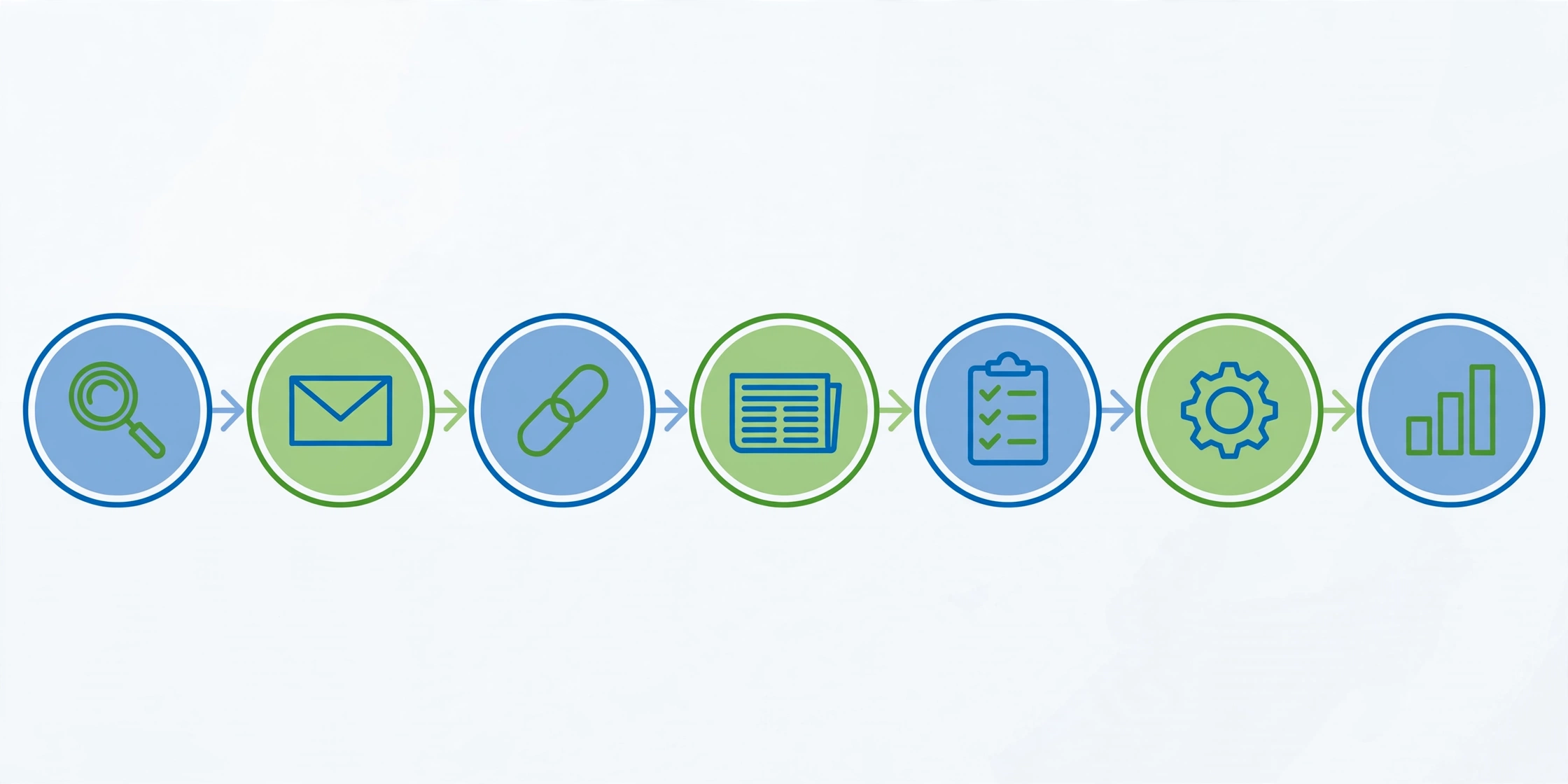
The Honest Truth About How to Build Backlinks Quickly
Let’s set expectations before anything else. When SEOs say “link building takes months,” they’re usually talking about the compounding effect — the point where your rankings noticeably move. Individual backlinks, though, can land much faster than that.
A backlink is just a hyperlink from another website to yours. Getting one can take anywhere from a few hours (a journalist links your quote the same day) to several months (a digital PR campaign slowly earns coverage). The timeline depends entirely on the method, not on link building as a whole.
Here’s what “quickly” realistically means in link building:
- Days: Reclaiming unlinked mentions, fixing your own broken links, getting listed in niche directories
- 1–2 weeks: Broken link building outreach, HARO responses, resource page pitches
- 3–4 weeks: Guest post pitches (if accepted quickly), podcast appearances
- 2–6 months: Digital PR campaigns, original research, linkable asset promotion
The methods in this guide focus on the first two tiers. They’re legitimate, white-hat, and fast — but they still require real work. Anyone promising “1,000 backlinks overnight” is selling you something that will hurt your site. Google’s spam policies explicitly target manipulative link schemes, and the penalties are real.
Information gain: Most “fast backlink” guides push black-hat tactics or recycle slow methods with “do it faster” advice. This guide ranks methods by actual observed timelines and gives you a day-by-day sprint plan.
Fast vs Slow Link Building Methods Compared
Not every link building tactic deserves your time when speed matters. The table below compares common methods by realistic timeline, effort level, and link quality — so you can pick the right mix.
| Method | First Link Timeline | Effort | Link Quality |
|---|---|---|---|
| Link reclamation (unlinked mentions) | 2–5 days | Low | High |
| Fixing your own broken backlinks | 1–3 days | Low | High |
| HARO / journalist requests | 3–10 days | Medium | Very high |
| Broken link building | 1–3 weeks | Medium | High |
| Resource page outreach | 2–4 weeks | Medium | Medium–High |
| Guest posting | 3–6 weeks | High | Medium–High |
| Digital PR campaigns | 2–6 months | Very high | Very high |
| Original research / data studies | 3–6 months | Very high | Very high |
Verdict: If you need links this month, focus on the top four rows. The bottom rows are powerful long-term plays, but they won’t help you this quarter.
A note on the timelines: these assume you’re starting from zero on each method. Preparation compresses timelines — which is exactly what the 7-day sprint plan below is designed to do.
Reclaim Links You Already Deserve
Link reclamation is the fastest legitimate way to build backlinks, because you’re not asking for anything new — you’re collecting links that should already exist. Two scenarios make this work.
Scenario one: unlinked brand mentions. Other websites mention your brand, product, or content by name but don’t link to you. A quick Google search for your brand name (minus your own domain) reveals these. For example, if you run a project management tool called “TaskFlow” and a blog writes “TaskFlow’s new kanban feature looks promising” without linking, that’s a reclamation opportunity. A short, polite email — “Thanks for the mention! Would you mind linking the brand name to our homepage so readers can find us?” — converts at a surprisingly high rate because the site already decided you’re worth mentioning.
Scenario two: your own broken backlinks. Links that used to point to your site but now hit 404 pages. Maybe you redesigned your site, changed URL structures, or deleted old pages. Every broken inbound link is a vote you’ve lost. Tools like Ahrefs’ broken backlinks report or Google Search Console’s coverage report surface these in minutes. Fix them with 301 redirects and the link equity flows back — often within days of Google recrawling.
Concrete example with a timeline: A SaaS blog I worked with found 14 unlinked brand mentions through a simple TaskFlow -site:taskflow.com search. They sent personalized emails on a Monday. By Friday, 6 had added links. Total time invested: about 3 hours. That’s 6 high authority backlinks in one week, from sites that already trusted the brand enough to mention it.
Verdict: Do this first, before any outreach. It’s the highest-ROI hour you’ll spend on link building.
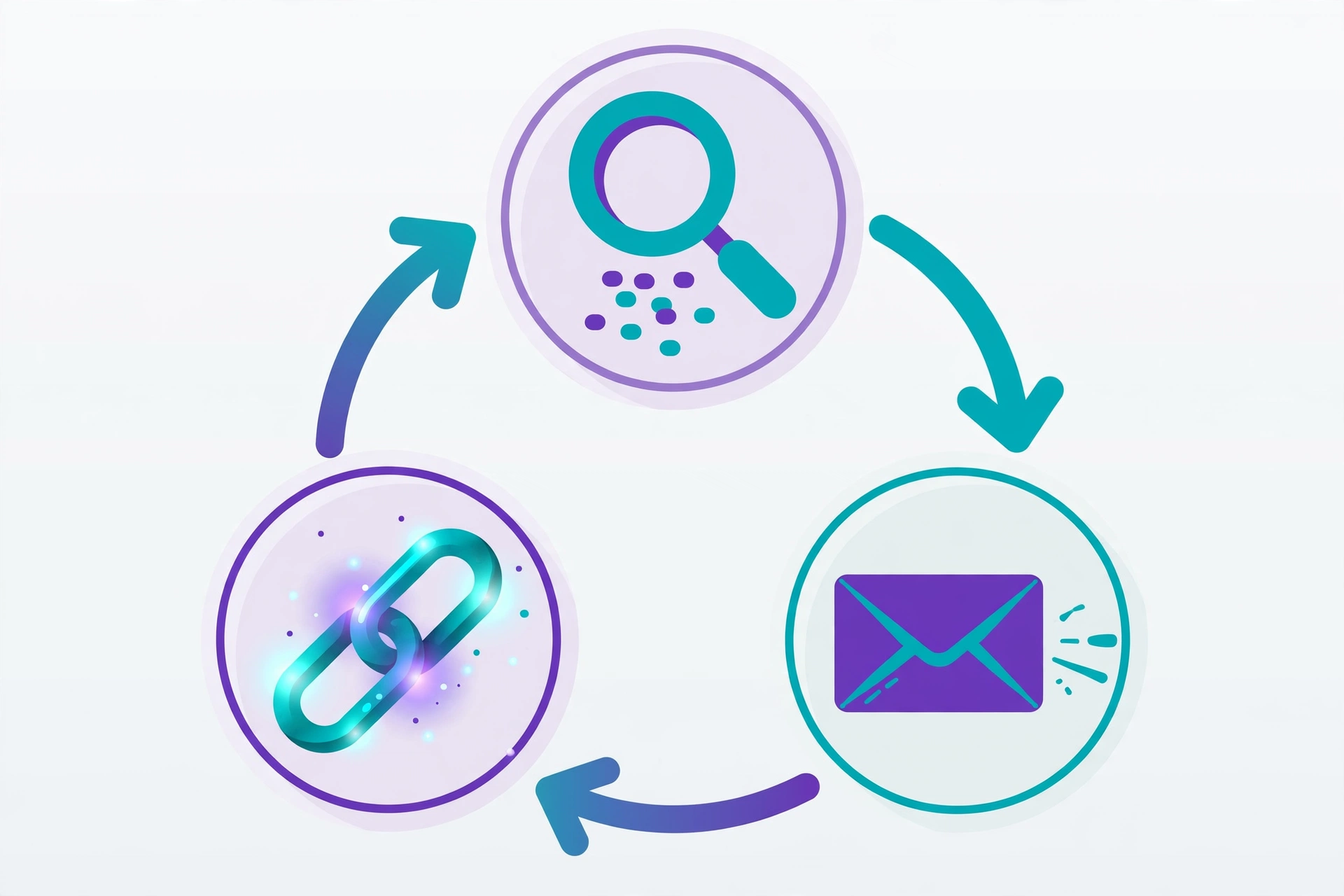
Broken Link Building: The Two-Week Sprint
finding broken links to replace works because you’re solving someone else’s problem. Websites hate broken outbound links — they hurt user experience and look unprofessional. When you find one and offer your content as a replacement, you’re doing the site owner a favor, not begging for a link.
The process has four steps. First, find resource pages or blog posts in your niche with dead outbound links — browser extensions like Check My Links scan a page in seconds. Second, create or identify content on your site that genuinely replaces the dead resource. Third, email the site owner with the specific broken link location and your suggested replacement. Fourth, follow up once after 5–7 days if there’s no reply.
Here’s what makes this fast: the site owner has a clear incentive to act. Unlike cold guest post pitches (which ask for a favor), you’re reporting a bug on their site. Response rates are typically 2–3x higher than standard outreach campaigns, according to practitioners who track both.
Concrete example with a timeline: Pick 20 resource pages in your niche on Monday. Spend Tuesday finding broken links on each (aim for 8–10 confirmed dead links). Wednesday, match each dead link to a relevant page on your site — or quickly create a short resource if the gap is worth filling. Thursday and Friday, send personalized outreach emails. The following week, handle replies and send one round of follow-ups. Realistic outcome from this two-week sprint: 2–5 new backlinks from a single batch. Scale by repeating monthly.
The key detail most guides skip: only pitch replacements that are genuinely better than what the dead link pointed to. Match or exceed the original’s depth.
Verdict: Best for: sites with solid existing content. Skip if: you have almost no content worth linking to yet — build the content first.
HARO and Journalist Requests: Ride the News Cycle
Journalists on deadline need expert quotes fast — and they’ll link to you as the source. Platforms like HARO (Help a Reporter Out), Terkel, and Featured connect experts with reporters writing stories right now. This is one of the few methods where someone else’s urgency works in your favor.
Speed is the whole point here. A journalist filing tomorrow doesn’t have time for a week-long vetting process. If your pitch answers their question clearly and includes your credentials, you can go from signup to published backlink in under a week — sometimes within 48 hours.
What actually gets picked up: specific, quotable opinions — not generic advice. Compare these two responses to a query about remote work productivity:
- Weak: “Remote teams should communicate clearly and use the right tools for collaboration.”
- Strong (illustrative example): “We cut our meeting load significantly when we moved status updates to async video. The specific change: no meeting without a written agenda shared 24 hours ahead.”
The second one gets quoted because it has numbers, a concrete action, and an opinion. Journalists need material that makes their article better, not filler.
Practical setup for speed: create accounts on two platforms, set up email alerts filtered to your expertise areas, and prepare a one-paragraph bio template. When a relevant query lands, respond within 2–3 hours — early responses get read; late ones get buried.
Moz’s backlink guide notes that editorial links from trusted publications carry outsized ranking weight — which is exactly what journalist placements deliver.
Verdict: Best for: founders and specialists with real opinions and data. Skip if: you can’t respond quickly — speed is the entire advantage here.
Your 7-Day Fast Link Building Action Plan
This is the linkable core of this guide: a day-by-day sprint that combines the fastest methods above into one focused week. Each day has one clear task and a time estimate.
Day 1 — Audit (2 hours). Search Google for unlinked mentions of your brand: yourbrand -site:yourdomain.com. Also check Google Search Console for 404 pages that used to get traffic. Build a single spreadsheet with three tabs: unlinked mentions, your broken pages, and competitor resource pages.
Day 2 — Reclaim (2 hours). Email every site with an unlinked mention. Keep it short: thank them, point out the mention, ask for the link. Then set up 301 redirects for your broken pages that had backlinks. These two tasks alone often produce links within the week.
Day 3 — Hunt broken links (3 hours). Take 15–20 resource pages from your spreadsheet. Run Check My Links on each. Log every dead outbound link, note what the dead page was about, and check whether you have (or can quickly create) a replacement.
Day 4 — Create gap content (3–4 hours). For the 3–5 best broken-link opportunities where your content falls short, create focused replacement resources. These don’t need to be epic — 800–1,200 words that directly cover what the dead page covered, updated for today.
Day 5 — Outreach wave one (2 hours). Send broken-link outreach emails for the opportunities where your existing content already fits. Personalize each: name the exact broken link, its location on their page, and your replacement. Send in the morning for best open rates.
Day 6 — HARO setup + pitches (2 hours). Create accounts on HARO and one alternative platform. Set up filtered alerts. Respond to every relevant query from the last 48 hours, plus today’s. Use the specific-numbers formula from the previous section.
Day 7 — Follow-ups and resource pages (2 hours). Follow up once on unanswered reclamation emails from Day 2. Then pitch 5–10 resource pages: find “helpful resources” or “useful links” pages in your niche and suggest your best content with a one-line reason it fits.
Realistic week-one outcome: 3–8 new backlinks, mostly from reclamation and quick HARO wins, with broken-link replies still trickling in over the following two weeks. Repeat the sprint monthly, rotating in new resource pages and fresh HARO queries each time.
Verdict: This plan works because it front-loads the highest-probability tasks. Don’t skip to Day 5 without doing Days 1–4 — the preparation is what makes the outreach convert.
Shortcuts That Will Get You Penalized
Every “build 1,000 backlinks overnight” offer relies on tactics Google explicitly forbids. Understanding why they’re dangerous matters more than memorizing a list — because new variants appear constantly.
Paid links without disclosure. Buying links that pass ranking credit violates Google’s spam policies. The key word is undisclosed — sponsored content with proper rel="sponsored" attributes is fine. What’s penalized is paying for followed links designed to manipulate rankings. Google’s algorithms and manual reviewers both hunt for unnatural link patterns: sudden spikes from irrelevant sites, identical anchor text across dozens of domains, links from pages with no real content.
Private blog networks (PBNs). Networks of sites built solely to link to money pages. They worked a decade ago; today they’re one of the easiest patterns for Google to detect. A manual penalty can wipe out years of organic traffic overnight — and recovery takes months even after disavowing every bad link.
Automated spam. Tools that blast your link across thousands of forums, blog comments, and directories. These links are almost always nofollowed (worthless for rankings) or on penalized domains (actively harmful). The few minutes they save cost far more in cleanup.
Link exchanges at scale. A natural reciprocal link here and there is fine. Systematic “you link me, I link you” schemes across dozens of sites are not — Google’s documentation specifically calls out excessive link exchanges as a violation.
The pattern across all of these: they try to simulate the signals of genuine authority without earning it. Google has spent two decades getting better at telling the difference. Ahrefs’ link building research consistently shows that sites with natural, editorially-earned link profiles outperform manipulated ones over any meaningful timeframe.
Verdict: If a tactic would embarrass you to explain to a Google reviewer, don’t do it. Fast is good; fake is fatal.
Frequently Asked Questions
How fast can you realistically build backlinks?
Your first backlinks can land within days using reclamation (unlinked mentions, fixing broken inbound links). A focused sprint typically produces 3–8 links in the first month. Meaningful ranking movement from those links usually takes 4–12 weeks as Google recrawls and re-evaluates — so “fast backlinks” and “fast rankings” are different timelines.
Is it safe to build backlinks quickly?
Speed itself isn’t the problem — method is. Earning 10 editorial links in a week through HARO and reclamation is completely safe. Gaining 10 links in a week from a paid network is dangerous. Google cares about whether links were earned or manipulated, not how fast they appeared.
How many backlinks per day is safe?
There’s no magic number. A viral piece of content can earn hundreds of links in a day naturally, while a new site gaining 50 links daily from directories looks manipulated. Focus on link quality and natural patterns rather than daily quotas — relevance, editorial placement, and diverse sources matter far more than velocity.
Can I buy backlinks to speed things up?
Buying followed links to manipulate rankings violates Google’s spam policies and risks manual penalties. Sponsored placements with proper rel="sponsored" attributes are legitimate for traffic and visibility, but they won’t help rankings. The fast methods in this guide (reclamation, broken link building, HARO) are quicker than most people expect — without the risk.
What’s the fastest white-hat way to get backlinks?
Link reclamation — finding unlinked brand mentions and asking for the link. It routinely produces results within a week because the site already decided your brand was worth mentioning. Second fastest is fixing your own broken backlinks with 301 redirects, which restores lost link equity within days of recrawling.
The Bottom Line
Building backlinks quickly isn’t about shortcuts — it’s about choosing methods with short feedback loops. Reclaim what you’ve already earned, fix what’s broken, help journalists on deadline, and run focused sprints instead of vague “do more outreach” plans.
Start with Day 1 of the 7-day plan today. By this time next week, you’ll have real links live — and a repeatable system for earning more every month.
Done-for-you podcast backlinks
Get your brand on Apple Podcasts, Spotify, Amazon and 25 more trusted platforms — placed by hand, reported link by link.