

Link building in SEO is the process of getting other websites to link to your pages. Those links act as votes of confidence — when a reputable site links to you, search engines treat it as a signal that your content is worth ranking.
On this page
- Link Building Definition: What It Actually Means
- Why Link Building Matters for SEO
- How Link Building Works in Practice
- Types of Link Building Strategies
- What Makes Link Building Work vs Fail
- Why Link Building Matters for Your Business (Not Just SEO)
- Link Building in 2026: What’s Changed
- Frequently Asked Questions
But that simple definition hides a lot of nuance. In this guide, I’ll explain what link building actually means, why it matters for SEO, how it works in practice, and what’s changed about it in 2026. No fluff, no “just create great content” hand-waving.
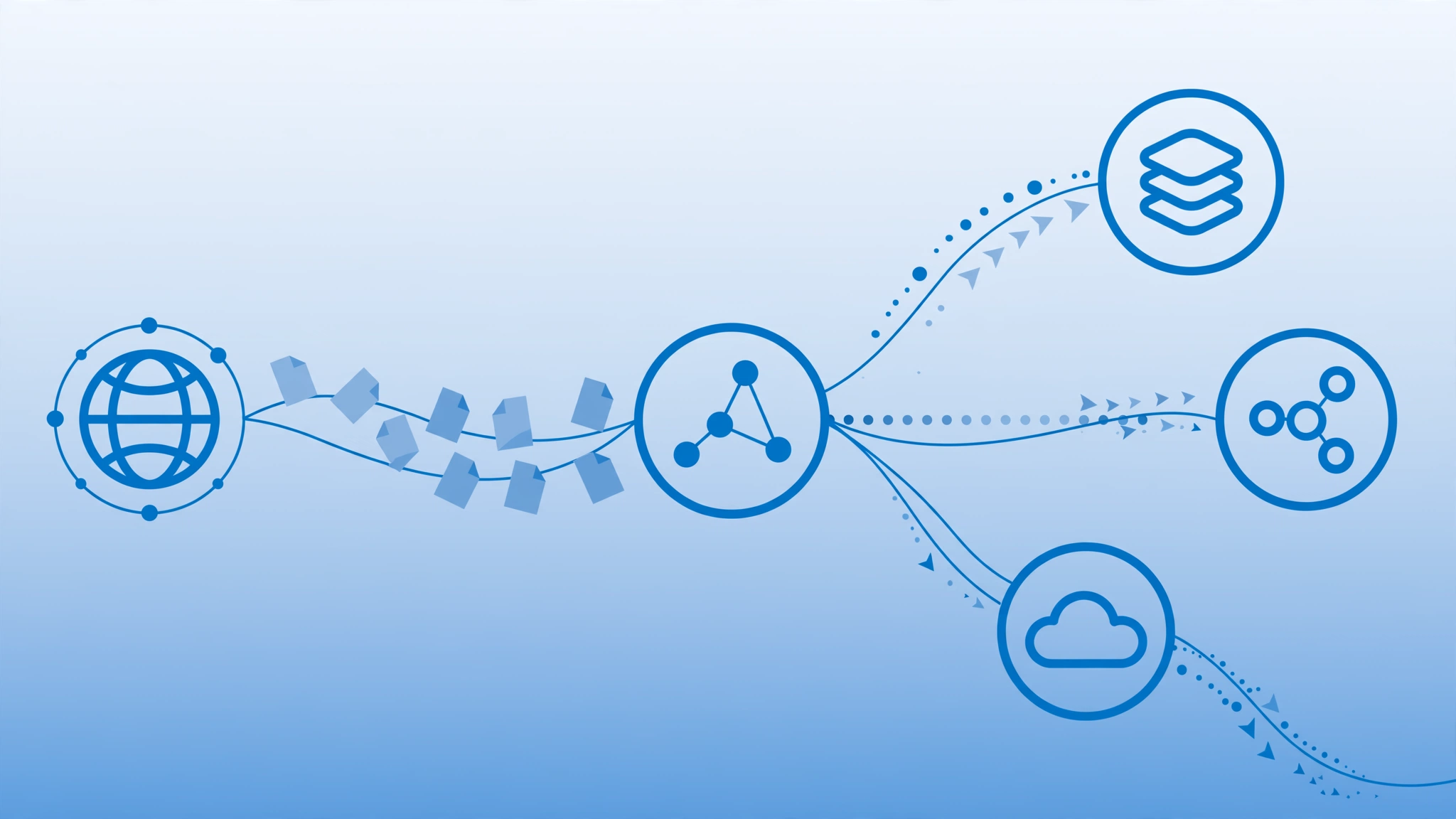
TL;DR: Link building is the process of earning hyperlinks from other websites to your own. Search engines use these links as votes of confidence — pages with more high-quality backlinks tend to rank higher. In 2026, the focus has shifted from link quantity to earning editorial links through genuinely valuable content, digital PR, and relationship building.
Link Building Definition: What It Actually Means
At its core, link building means acquiring hyperlinks from other websites to your own. Each hyperlink — commonly called a “backlink” — is a clickable reference from one page to another.
Here’s what link building is not:
- It’s not buying links from link farms or “DA 90 guest post” sellers
- It’s not spamming blog comments with your URL
- It’s not submitting your site to 500 directories and calling it done
- It’s not a one-time task you finish and forget
Real link building is earning editorial links — links that site owners place because your content genuinely deserves a reference. This happens through outreach, relationship building, creating link-worthy content, and sometimes digital PR.
The distinction matters because Google’s algorithms have gotten very good at telling the difference. Google’s own documentation explains that links help their systems understand which pages are reputable. But manipulative link schemes — buying links, excessive link exchanges, automated link creation — violate Google’s spam policies and can result in penalties. Manufactured link layers draw the same scrutiny — tiered link building shows how these pyramids work and why Google discounts them.
To understand the full picture, it helps to know what backlinks are and how they function as individual ranking signals.
Why Link Building Matters for SEO
Links matter because of how search engines were originally designed. Google’s PageRank algorithm — the foundation of modern search — treated links as votes. A page with many high-quality inbound links was probably more important than a page with none.
That basic principle still holds, though the implementation is far more sophisticated now. Here’s why links remain one of the most important ranking factors:
Links are hard to fake at scale. Anyone can optimize their title tags and write 2,000 words. But getting 50 reputable websites to voluntarily link to you? That requires something genuinely worth referencing. This makes links a relatively reliable signal of quality.
Links transfer authority. When a trusted site links to you, some of its credibility flows to your page. This is sometimes called “link equity” or “link juice.” A single link from a major publication can outweigh dozens of links from obscure blogs.
Links help discovery. Search engine crawlers follow links to find new pages. If no one links to your content, it may take longer for Google to discover and index it. Links accelerate the entire process.
That said, links aren’t everything. Google has confirmed that content relevance, user experience signals, and hundreds of other factors also influence rankings. A page with great links but thin content won’t rank well. Link building amplifies good content — it doesn’t replace it.
Moz’s link building guide puts it well: links remain important, but the quality of links matters far more than it did a decade ago.
How Link Building Works in Practice
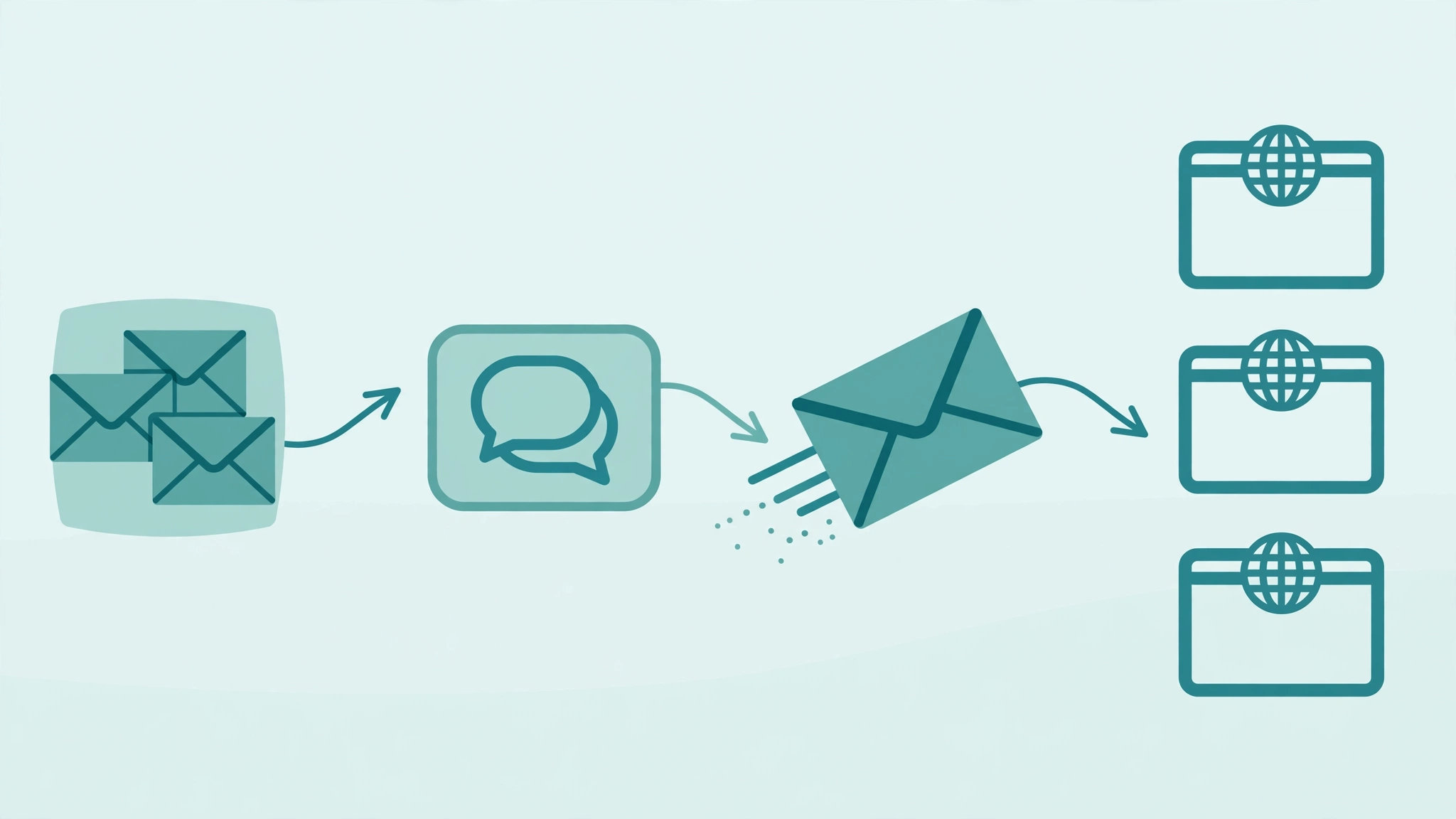
Theory is nice, but what does link building actually look like day-to-day? Here’s the process most successful campaigns follow:
Step 1: Create something worth linking to. Before any outreach, you need a target page that deserves links. This is usually a comprehensive guide, original research, a free tool, or unique data. If your page isn’t better than what’s already ranking, outreach becomes begging.
Step 2: Identify link prospects. Find websites that have linked to similar content before. If a blog linked to three competing guides on your topic, they’re a warm prospect for your (better) version. Tools like Ahrefs’ Content Explorer or even manual Google searches work for this.
Step 3: Find the right contact. Generic “info@” addresses get ignored. Find the specific person who manages content — usually the editor, content manager, or site owner. LinkedIn, author bios, and tools like Hunter.io help here.
Step 4: Send a personalized pitch. Explain specifically why your content would be valuable to their audience. Reference their existing article. Keep it short. Most successful outreach emails are under 150 words — run your draft through a word counter to make sure it stays there.
Step 5: Follow up (once). One polite follow-up after 5-7 days is standard. More than that becomes spam. If they don’t respond, move on.
Step 6: Track and learn. Record your outreach, response rates, and placed links. Over time, you’ll learn which angles and content types work best in your niche.
For a detailed walkthrough of each step, see our complete link building process guide.
Types of Link Building Strategies
Not all link building approaches are equal. Here’s how the main strategies break down by the skill and effort they require — see the full list in our 15 link building strategies that still work in 2026:
Beginner-friendly strategies
Resource page outreach. Many websites maintain curated lists of helpful resources. If your content fits, a polite email asking for inclusion often works. These pages exist to link out, so the barrier is low.
Broken link building. Find dead links on relevant sites, then suggest your content as a replacement. You’re doing the site owner a favor by flagging the broken link, which makes the pitch easier.
Unlinked brand mentions. If someone mentions your brand or content without linking, ask them to add a link. This has one of the highest success rates because they already know about you.
Intermediate strategies
Guest posting. Writing articles for other publications in exchange for an author bio link. Works well when you target real publications with actual audiences — not “write for us” link farms.
Skyscraper technique. Find popular content in your niche, create something significantly better, then pitch it to everyone who linked to the original. Effective but competitive.
HARO/Connectively outreach. Respond to journalist queries with expert quotes. When published, you typically earn links from high-authority news sites.
Advanced strategies
Digital PR. Create newsworthy content — surveys, data studies, industry reports — and pitch it to journalists. The links from major publications are extremely powerful, but this requires real investment.
Original research. Publish data no one else has. A single well-promoted study can earn links for years. This is the highest-leverage strategy most sites never attempt.
The right strategy depends on your resources, timeline, and niche. Beginners should start with resource pages and broken link building. As you build skills and content assets, graduate to digital PR and original research.
What Makes Link Building Work vs Fail
Most link building campaigns fail for predictable reasons. Here’s what separates the ones that work:
What works: Having genuinely superior content before outreach begins. Personalizing every pitch (not mail-merging 500 identical emails). Targeting sites that have linked to similar content before. Following up once, politely. Playing the long game — building relationships, not just collecting links.
What fails: Outreach without linkable content (“please link to my homepage”). Generic mass emails that scream “template.” Targeting irrelevant sites. Giving up after 20 emails with no response. Buying links from Fiverr and wondering why rankings dropped.
The uncomfortable truth: link building is a numbers game with a quality filter. You need volume (dozens of pitches per campaign), but each pitch must be genuinely personalized and your content must deserve the link. Most people do one or the other — rarely both.
Ahrefs’ analysis of successful campaigns confirms this: the campaigns that earn the most links combine strong content with persistent, personalized outreach.
Why Link Building Matters for Your Business (Not Just SEO)
Most guides frame link building purely as an SEO tactic. But the business impact goes well beyond rankings:
- Referral traffic: A single link from a high-traffic publication can send hundreds of qualified visitors per month — traffic that converts because it arrives with built-in trust from the referring source.
- Brand credibility: When respected sites in your industry link to you, it signals authority to potential customers, partners, and investors — not just search engines.
- Faster indexing: New pages on sites with strong backlink profiles get discovered and indexed by Google significantly faster. Links are how crawlers find the web.
- Competitive moat: Unlike paid ads that stop the moment you stop paying, earned backlinks compound. A 2026 survey of 518 SEO professionals found that 32.1% of SEO budgets go to link building — because the ROI persists long after the work is done.
- Partnership pipeline: The outreach process itself builds relationships with journalists, bloggers, and industry peers that lead to collaborations, speaking opportunities, and referrals beyond just links.
An Ahrefs study of nearly a billion pages found a clear correlation between referring domains and organic traffic — but the businesses winning in 2026 treat each link as both a ranking signal and a business asset.
Link Building in 2026: What’s Changed
The fundamentals haven’t changed, but the landscape has shifted in important ways:
AI content flooded the web. There’s more content competing for links than ever. This makes original content — real data, real expertise, real opinions — more valuable, not less. Generic AI-generated guides don’t earn links because they say nothing new.
Journalists are harder to reach. Inboxes are fuller. HARO response rates have declined. The pitches that break through are shorter, more specific, and offer genuine expertise — not generic quotes anyone could write.
Google is better at ignoring manipulative links. The days of ranking with PBN links or paid guest post networks are largely over. Google’s spam detection has improved to the point where these tactics carry more risk than reward.
Topical relevance matters more. A link from a closely related site carries more weight than a link from a high-authority but irrelevant one. Niche relevance is the new DA.
You can check any site’s Domain Authority for free with our website authority checker.
Brand signals complement links. Unlinked brand mentions, branded searches, and social signals increasingly factor into how Google evaluates authority. Link building and brand building are converging.
What hasn’t changed: earning links still requires creating something worth referencing and telling the right people about it. The tactics evolve, but that core hasn’t moved in 25 years.
One more shift worth noting: link velocity expectations have changed. Google now expects natural link acquisition patterns. A new site gaining 200 links in a week looks suspicious; the same site gaining 200 links over six months looks like growing authority. Pace your campaigns to look organic — because they should be organic.
For ethical approaches that work long-term, explore white hat link building strategies that build lasting authority without risking penalties.
Frequently Asked Questions
What is link building in simple terms?
Link building is getting other websites to link to your pages. Each link acts as a vote of confidence that tells search engines your content is trustworthy and worth ranking. The process typically involves creating valuable content and then reaching out to relevant website owners to let them know about it.
Is link building still important for SEO in 2026?
Yes. While Google uses hundreds of ranking factors, links remain one of the strongest signals of authority and trust. Studies consistently show a correlation between the number of quality referring domains and higher rankings. What has changed is that manipulative link tactics are less effective and riskier than before.
How long does link building take to show results?
Typically 3-6 months before you see meaningful ranking improvements from a new link building campaign. Links need to be discovered, crawled, and factored into Google’s index. New sites may take longer because they lack baseline authority. Link building is a long-term investment, not a quick fix.
Can I do link building myself or do I need an agency?
You can absolutely do it yourself, especially when starting out. The core skills — identifying prospects, writing personalized outreach, creating linkable content — are learnable. Agencies make sense when you need scale (dozens of links per month) or lack the time for consistent outreach. Avoid any agency that guarantees specific link counts or won’t disclose their methods.
What’s the difference between link building and link earning?
Link building is the active process of acquiring links through outreach and strategy. Link earning is when links come naturally because your content is exceptional. In practice, the best approach combines both: create content worth earning links for, then actively promote it to accelerate the process. Pure “build it and they will come” rarely works for new sites.
Done-for-you podcast backlinks
Get your brand on Apple Podcasts, Spotify, Amazon and 25 more trusted platforms — placed by hand, reported link by link.