

Internal linking for SEO is the highest-ROI work most site owners ignore: no outreach, no budget, just smarter connections between pages you already own. Done right, internal links guide crawlers, distribute authority, and lift the exact pages you need to rank. This guide covers 9 strategies that actually work in 2026.
On this page
- Internal Linking for SEO: Why It Still Moves Rankings
- Audit Your Internal Link Graph Before Changing Anything
- Build Pillar Pages and Topic Clusters
- Route Authority From Your Strongest Pages
- Place Contextual Links Where They Pass the Most Value
- Anchor Text Rules That Keep You Safe
- Rescue Orphan Pages and Flatten Deep Architecture
- Use Navigation, Breadcrumbs, and Footers Strategically
- Fix Broken Internal Links as Part of the Strategy
- The Right Tools for Internal Link Audits
- Measure the Lift: Track URL Rating in Ahrefs
- Keep It Healthy With a Maintenance Routine
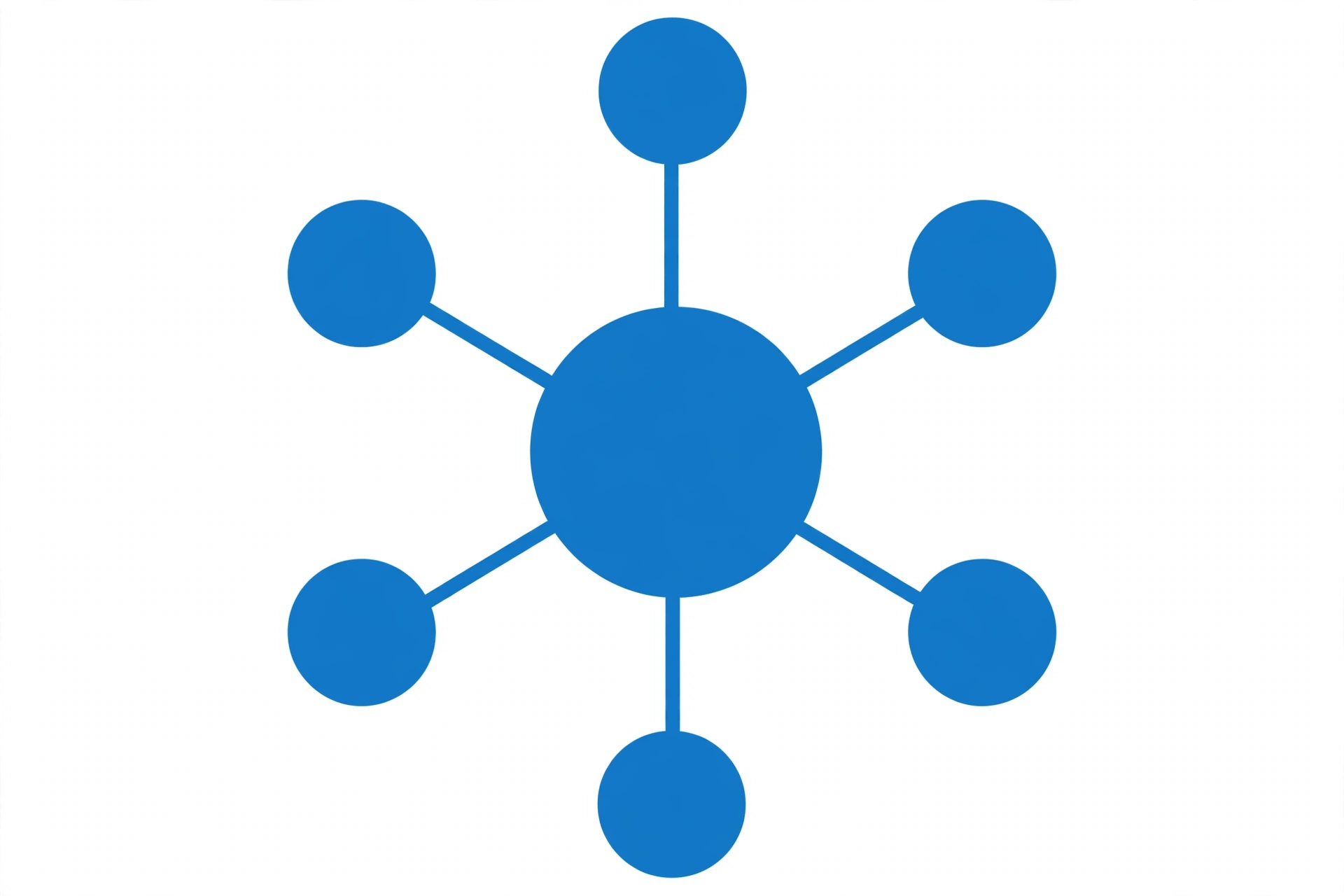
Think of your site as a city and internal links as its roads. Pages with no roads leading in stay invisible no matter how good they are — crawlers may never find them, and no authority ever arrives. Our internal linking best practices guide covers the day-to-day habits; this article is the strategy layer underneath it: how to architect the entire network deliberately.
Internal Linking for SEO: Why It Still Moves Rankings
External backlinks get all the glory, but internal links do three jobs backlinks cannot do for you. First, discovery: Googlebot finds new pages by following links, and your internal links are the map. A page with zero internal links is an orphan — it may sit unindexed for months while you wonder why it never ranks. Second, equity distribution: authority flows through internal links from your strongest pages to the ones you want to rank. Learn how link equity flows through internal links and every strategy below becomes intuitive. Third, relevance signals: the anchor text and surrounding context of an internal link tell Google what the target page is about, reinforcing its topical fit for the keywords you are targeting.
The practical upshot: internal linking is the only ranking lever fully under your control. You cannot force anyone to link to you, but you can rewire your own site this afternoon. That is why experienced SEOs fix internal linking before spending a dollar on outreach.
Audit Your Internal Link Graph Before Changing Anything
Strategy without measurement is guessing. Before adding a single link, export your current internal link graph: crawl the site and record, for every page, how many internal inlinks it has, how many clicks it sits from the homepage, and whether anything links to it at all.
Sort that export and three problems jump out immediately. Orphan pages with zero inlinks — invisible to crawlers and equity alike. Buried money pages sitting five or six clicks deep, where almost no authority reaches. And equity hoarding: strong pages linking generously to low-priority content while your revenue pages get nothing. Write these down; strategies three through seven below exist to fix exactly these findings. Re-run this audit quarterly — the graph drifts every time you publish, delete, or restructure.
Build Pillar Pages and Topic Clusters
The highest-leverage architecture for most sites is the pillar-and-cluster model. One comprehensive pillar page targets the broad head term; a ring of cluster articles targets the long-tail variations; every cluster links up to the pillar, the pillar links down to each cluster, and clusters link sideways to each other where genuinely relevant.
Example: a pillar on “link building” surrounded by clusters on broken link building, outreach emails, anchor text, and linkable assets. The pillar accumulates authority from every cluster, and the pillar’s own backlinks flow back down to the clusters. This is not just tidy organization — it builds topical authority that Google can read structurally, and it concentrates ranking power instead of scattering it across disconnected posts. When planning pillar content, favor formats that earn links reliably, since pillars double as your best link targets.
Route Authority From Your Strongest Pages
Not all internal links are equal. A contextual link from your most-linked page passes dramatically more equity than a link from a post nobody reads. So find your strong pages — sort your site’s pages by backlinks or URL Rating in Ahrefs’ Site Explorer (“Best by links”) — and deliberately point contextual links from them at your priority targets.
Be surgical, not generous. Adding twenty links from your homepage dilutes each one; adding three well-placed contextual links from strong, topically related pages concentrates the effect. The anchor text should describe the target naturally (more on that below), and the link should sit in the body content where a reader would genuinely want it. Ahrefs’ own team has demonstrated how dramatically this kind of restructuring moves rankings — see their breakdown on prioritizing internal linking for the case-study detail.
Place Contextual Links Where They Pass the Most Value
Where a link sits on the page affects how much weight it carries. Search engines model this explicitly — links prominent in the main content, near the top, surrounded by relevant text pass more value than links buried in footers. Use that to your advantage:
| Placement | Relative value | Best use |
|---|---|---|
| Early in body content | Highest | Priority links to money pages and pillars |
| Mid-article, in relevant context | High | Cluster-to-cluster and cluster-to-pillar links |
| Related-posts modules | Medium | Discovery and crawl depth for older content |
| Navigation and breadcrumbs | Medium, sitewide | Structural links to key sections |
| Footer | Lowest | Utility pages, not ranking targets |
One caution: stuffing ten internal links into the first paragraph reads as manipulation to humans and algorithms alike. Spread priority links through the article where they help the reader, and let the placement table guide which links deserve the premium spots.
Anchor Text Rules That Keep You Safe
Anchor text is how you tell Google what the linked page is about — and how you get penalized if you overdo it. The rules are simple but non-negotiable:
Describe the target, vary the phrasing. If ten internal links all use the exact anchor “best link building tools” pointing at one page, that is an exact-match pattern, and patterns attract scrutiny. Rotate through natural variations: “link building tools roundup,” “tools for building links,” “our comparison of outreach tools.” Partial-match and descriptive anchors give you the relevance signal without the spam footprint.
Never use empty anchors. “Click here,” “read more,” and “this article” tell Google nothing about the destination and waste the relevance signal entirely. Every internal link is a small vote about what the target page covers — make each vote count. Moz’s internal link guide is a solid reference for anchor-text fundamentals if you want a second opinion on the mechanics.
Rescue Orphan Pages and Flatten Deep Architecture
Your audit found the orphans; now adopt them. Every valuable page should be reachable within three clicks of the homepage — not because three is magic, but because each additional click depth measurably reduces both crawl frequency and equity flow.
Fix orphans by wiring them into the living site: add them to relevant category pages, link them from related-posts modules on older articles, and connect them to their topic cluster’s pillar. For buried-but-linked pages, promote them upward — a link from a category page or a strong related article cuts two levels of depth in one edit. And remember that XML sitemaps help discovery but pass no equity; a page “in the sitemap” is not the same as a page “in the link graph.” Only real internal links move authority.
Use Navigation, Breadcrumbs, and Footers Strategically
Sitewide elements link from every page, which makes them powerful and dangerous in equal measure. A navigation link passes a slice of every page’s equity to its target — wonderful for the five pages that matter most, dilutive if you cram forty links into the menu.
Navigation: reserve it for money pages and key sections. If everything is important, nothing is. Breadcrumbs: use them on every deep page — they reinforce the hierarchy for crawlers, add keyword-rich internal links automatically, and improve click-through from search results. Footers: keep them for utility (contact, privacy, sitemap) and resist the urge to stuff keyword-rich footer links; that tactic died years ago and now just looks manipulative. Google’s own SEO starter guide covers the crawlability fundamentals these elements support.
Fix Broken Internal Links as Part of the Strategy
Here is the strategy most guides omit: dead internal links actively sabotage everything above. Every internal link pointing at a 404 strands equity mid-site — the pillar cannot receive what never arrives. A quarterly internal-link audit must include a broken-link pass.
When you find them, fix the href at the source rather than redirecting where possible — a direct link passes full value with no hop. Our guide to fixing broken links walks through the full repair playbook: redirect-vs-repair decisions, 301 mapping, and reclaiming stranded backlink equity. And if you have not inventoried your dead links yet, start with finding broken links across your site first. Internal linking strategy and broken-link maintenance are two halves of the same discipline.
The Right Tools for Internal Link Audits
You do not need an enterprise budget — you need the right three views. A crawler (Screaming Frog’s free tier handles 500 URLs) gives you the inlink counts, click depth, and orphan detection from the audit step. Ahrefs Site Explorer shows “Best by links” for finding your strongest pages and surfaces internal-link opportunities you missed. Google Search Console’s Links report shows which of your pages Google actually sees receiving internal links — a useful reality check against what your crawler claims.
Run all three on the same week each quarter and you will catch drift early: new orphans from recent publishes, equity hoarding on pages that stopped mattering, and redirect chains forming where you “temporarily” moved content. The tools are cheap; the discipline of using them on schedule is the actual strategy.
Measure the Lift: Track URL Rating in Ahrefs
How do you prove any of this worked? Watch URL Rating (UR) — Ahrefs’ 0–100 score of a single page’s link strength, which counts internal links alongside external backlinks. It is the cleanest available proxy for the equity your internal linking moves around.
The method is simple: log the UR of each priority target page before your restructuring, then check monthly. Internal-linking changes typically register within four to twelve weeks as crawlers revisit your pages. Rising UR alongside climbing rankings is your proof the plumbing works — and your template for the next target page. For the full explainer of what the metric captures, read what URL Rating measures; for the external-link side of raising it, see our tactics for raising a page’s URL Rating. Keep UR as your measurement layer, not your strategy — the strategies above are what actually move it.
Keep It Healthy With a Maintenance Routine
Internal linking decays the moment you stop tending it. Every new post should ship with three to five internal links out to relevant existing content — and you should update one or two older posts to link back in, so the new page is not born an orphan. Whenever you delete or rename a page, handle its inbound internal links in the same session. Quarterly, re-run the audit and fix what drifted.
Sites that follow this routine compound: each new article strengthens the cluster it joins, each quarter’s audit catches the rot before it spreads, and the whole network gets stronger while competitors’ link graphs quietly decay. Start with the audit this week — the orphans it surfaces are usually the fastest ranking wins you will find all year.
Done-for-you podcast backlinks
Get your brand on Apple Podcasts, Spotify, Amazon and 25 more trusted platforms — placed by hand, reported link by link.