
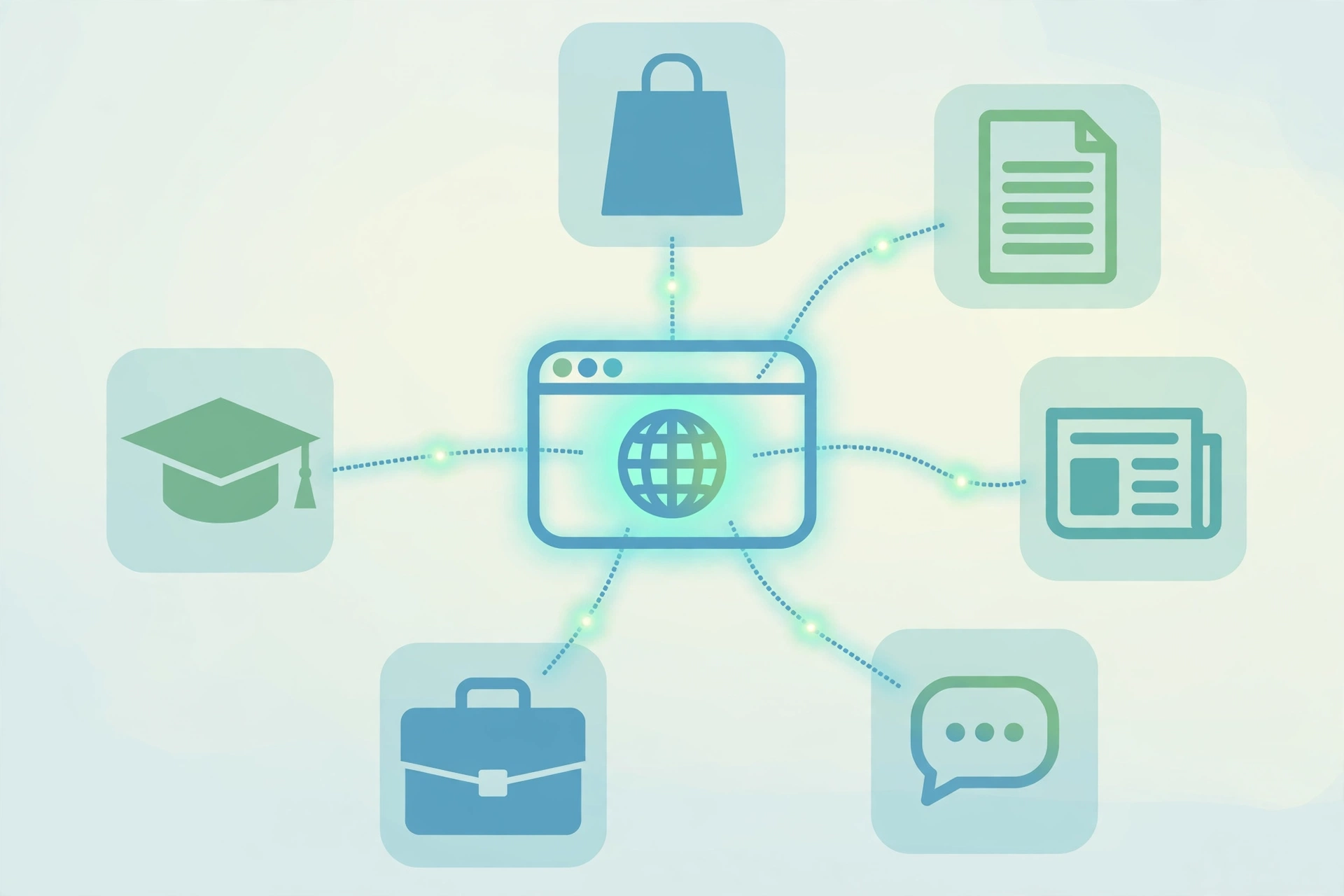
A backlink is a vote of confidence from one website to another. When a reputable site links to your content, Google treats it as a trust signal — and rewards you with higher rankings. This guide shows beginners exactly how to earn those links, even with a brand new website.
On this page
- What Are Backlinks and Why Do Beginners Need Them?
- How to Build Backlinks for Beginners: The 7 Easiest Methods
- Good Backlinks vs Bad Backlinks: What Beginners Must Know
- Common Beginner Mistakes That Kill Your Link Building
- How Long Until Backlinks Improve Your Rankings?
- Frequently Asked Questions
- The Bottom Line
If you’re new to link building and SEO, don’t worry. You don’t need a big budget, technical skills, or an established website. You just need the right approach — and the patience to let it work.
What Are Backlinks and Why Do Beginners Need Them?
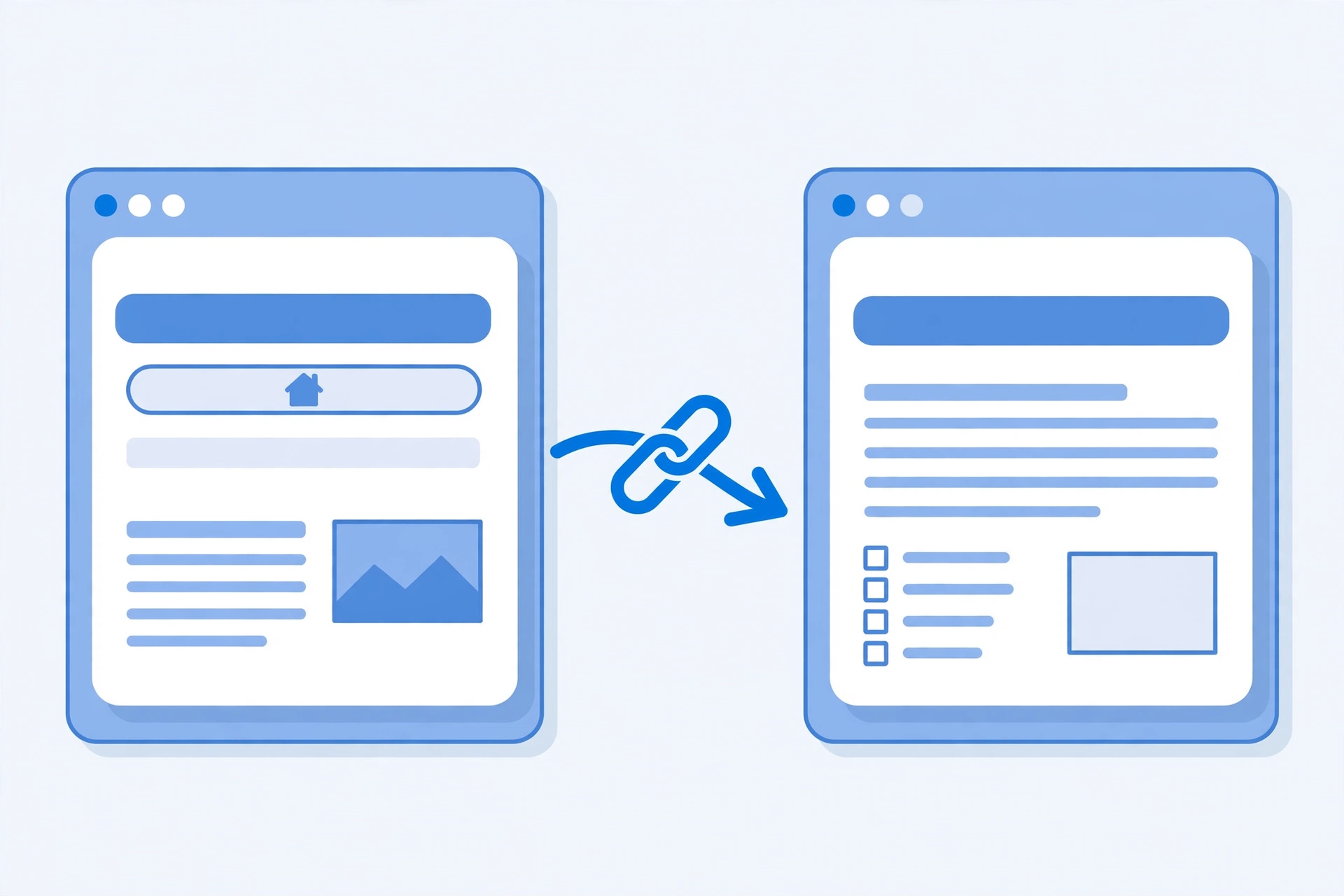
A backlink is simply a link from one website to another. When Website A links to Website B, Website B gets a “backlink.” Think of it like a recommendation: if a trusted friend recommends a restaurant, you’re more likely to try it. Google works the same way — when trusted websites link to yours, Google assumes your content is worth recommending too.
For beginners, backlinks matter even more than for established sites. Here’s why: a new website has zero authority in Google’s eyes. You could publish the best article on the internet, but without backlinks, Google has no reason to rank it above competing pages that already have links. Backlinks are how new websites earn their first real traffic from search.
Let’s make this concrete. Imagine two coffee blogs. Blog A has 50 articles but zero backlinks. Blog B has 10 articles and 20 backlinks from food magazines and coffee review sites. Blog B will almost always outrank Blog A — because Google trusts the recommendations (backlinks) more than the sheer volume of content.
The good news for beginners: you don’t need hundreds of backlinks to start seeing results. A handful of quality links from relevant websites can move the needle significantly — especially if you’re targeting less competitive keywords. Many successful strategies for getting backlinks are completely free and beginner-friendly.
How to Build Backlinks for Beginners: The 7 Easiest Methods
Not all link building methods are beginner-friendly. Some require large budgets, existing relationships, or advanced technical skills. The seven methods below are specifically chosen because anyone can start them today — no experience required.
Create Link-Worthy Content First
Before you build a single backlink, make sure your website has something worth linking to. This is the step most beginners skip — and it’s why their outreach fails. Nobody links to thin, generic content.
Link-worthy content for beginners includes: original statistics or survey results (even a small survey of 50 people works), comprehensive beginner guides that are better than what’s currently ranking, free tools or templates, and visual content like infographics or diagrams. For example, a new fitness blog could publish “We Analyzed 100 Beginner Workout Plans — Here’s What Actually Works” — that kind of original data naturally attracts links.
Start With Business Directories and Profiles
This is the easiest win for any new website. Submit your site to legitimate business directories, industry listings, and profile pages. These won’t make you rank #1 overnight, but they build your foundational link profile and help Google discover your site faster.
Good starting points include Google Business Profile (free), Bing Places, industry-specific directories in your niche, and your local chamber of commerce website. A local bakery, for instance, should be listed on Google Business, Yelp, TripAdvisor, and any local food directories. Each listing typically includes a backlink to your website.
Write Guest Posts on Relevant Blogs
Guest posting means writing an article for someone else’s blog in exchange for a backlink to your site. It’s one of the most reliable beginner methods because you’re trading value (good content) for value (a link).
Here’s how to do it: search Google for “[your niche] + write for us” or “[your niche] + guest post guidelines.” Read their guidelines carefully, pitch 2-3 specific article ideas (not generic topics), and write genuinely useful content — not a sales pitch for your site. A beginner photography blogger might pitch “5 Lighting Mistakes Every Beginner Makes” to a mid-size photography blog. One quality guest post on a relevant site is worth more than ten low-quality directory links.
Find Unlinked Brand Mentions
Sometimes websites mention your brand, product, or name without linking to you. These are the easiest backlinks to earn because the hard work (getting noticed) is already done — you just need to ask for the link.
Set up a free Google Alert for your brand name. When you get notified of a mention without a link, send a polite email: “Hi, thanks for mentioning [brand] in your article! Would you mind adding a link to [URL] so readers can find us easily?” This method has one of the highest success rates in link building because you’re asking for something small from someone who already likes your brand enough to mention it.
Use the Skyscraper Technique on a Small Scale
The skyscraper technique has three steps: find content in your niche that already has backlinks, create something significantly better, then contact everyone linking to the original and show them your improved version. Beginners often think this requires massive effort, but you can start small.
For example, if a competing article “10 Email Marketing Tips” has 15 backlinks, you could create “25 Email Marketing Tips With Real Examples and Templates” — genuinely more comprehensive. Then use a free backlink checker to find who’s linking to the original, and send them a short, personalized email pointing to your better resource. Even a 10% success rate on 15 prospects gives you 1-2 quality backlinks from one piece of content.
Participate in Your Niche Community
Forums, Reddit communities, Quora, and industry Slack groups won’t give you direct SEO backlinks (most use nofollow links), but they’re invaluable for beginners for two reasons. First, they drive real referral traffic from people genuinely interested in your topic. Second, they build relationships that lead to real backlink opportunities later.
The key is to be genuinely helpful — answer questions thoroughly, share your experience, and only link to your content when it’s truly the best answer to someone’s question. A beginner who consistently gives great answers on Reddit’s r/SEO will eventually get noticed by bloggers who link to helpful resources. Spammy self-promotion gets you banned; genuine helpfulness gets you links.
Broken Link Building for Beginners
Broken link building means finding dead links on other websites and suggesting your content as a replacement. Website owners appreciate this because you’re helping them fix a problem, not just asking for a favor.
Start simple: find a resource page in your niche (search “[topic] + resources” or “[topic] + useful links”), check for broken links using a free broken link checker tool, then email the site owner: “Hi, I noticed the link to [old page] on your resources page is broken. I recently published [your similar content] that could work as a replacement if you’re interested.” This method works well for beginners because you’re leading with value.
Good Backlinks vs Bad Backlinks: What Beginners Must Know
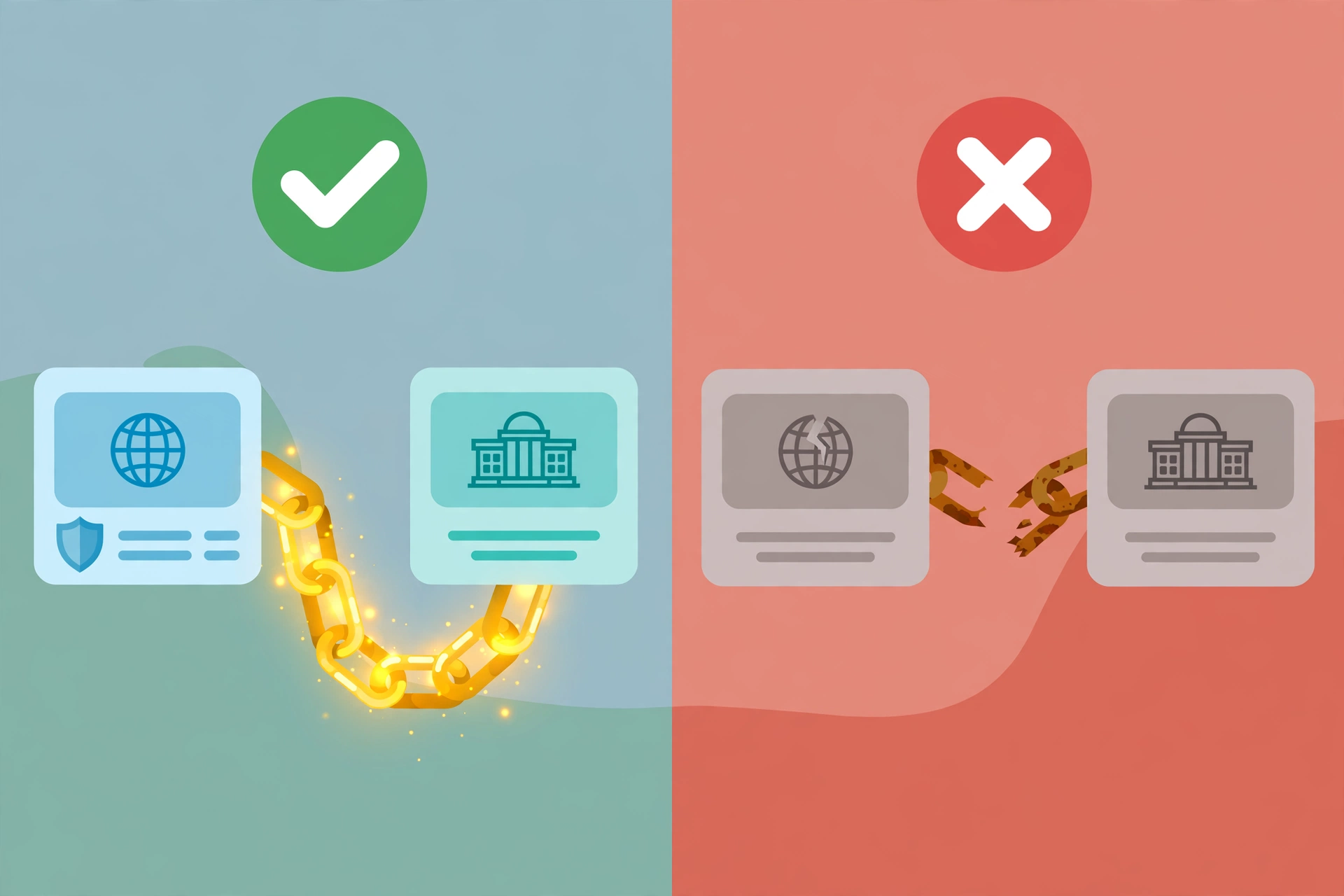
Not all backlinks help your rankings. Some can actually hurt you. Understanding the difference is critical before you start building links — because one bad link building decision can set a new website back months.
| Good Backlinks | Bad Backlinks |
|---|---|
| From websites relevant to your niche | From unrelated or spammy websites |
| Earned naturally through quality content | Bought from link sellers or PBNs |
| Editorial links placed by site owners | Auto-generated links from software tools |
| Diverse anchor text (brand, URL, generic) | Over-optimized exact-match anchor text |
| Gradual, natural link growth over time | Sudden spike of hundreds of links |
| From real websites with actual traffic | From link farms with zero real visitors |
The rule of thumb for beginners: if a link building tactic feels like cheating, it probably is — and Google will eventually catch it. Google’s link schemes guidelines explicitly warn against buying links, excessive link exchanges, and automated link building. Stick to earning links through genuine value, and you’ll never have to worry.
For a deeper understanding of link quality signals, Moz’s beginner guide to backlinks and Ahrefs’ backlink guide are excellent authoritative resources that explain how search engines evaluate links.
Common Beginner Mistakes That Kill Your Link Building
Most beginners don’t fail at link building because the tactics are too hard — they fail because of avoidable mistakes. Here are the ones I see most often, so you can skip the painful learning curve.
Mistake 1: Building links before having link-worthy content. Outreach with nothing worth linking to has a near-zero success rate. Spend your first two weeks creating 3-5 genuinely excellent pieces of content, then start building links to them.
Mistake 2: Buying cheap backlink packages. Those “$50 for 100 backlinks” offers on freelance sites will destroy a new website. These links come from spammy networks that Google has already flagged. One manual penalty can wipe out months of work. It’s never worth it.
Mistake 3: Using the same anchor text everywhere. If every backlink says “best protein powder,” Google sees manipulation. Natural link profiles have variety: some links use your brand name, some use generic text like “this guide,” some use the raw URL. Aim for that natural mix from the start.
Mistake 4: Giving up after two weeks. Link building is slow, especially for beginners with no reputation. Your first ten outreach emails might get zero replies. That’s normal. The bloggers earning hundreds of backlinks sent thousands of emails to get there. Consistency beats intensity — send five quality outreach emails per week rather than fifty spammy ones in a day.
Mistake 5: Ignoring internal linking. Beginners obsess over external backlinks and forget that linking between your own pages also matters. Good internal linking helps Google discover all your content and passes authority to your most important pages. It’s free, fully in your control, and you can start today.
How Long Until Backlinks Improve Your Rankings?
This is the question every beginner asks, and the honest answer is: it depends — but expect 2-3 months minimum before seeing meaningful movement from new backlinks.
Here’s why it takes time. When you earn a backlink, Google first needs to discover it (by crawling the linking page), then evaluate it (is this a quality link?), then factor it into your site’s overall authority calculation. For a brand new website, this process is slower because Google crawls new sites less frequently.
Several factors affect the timeline: the authority of the linking site (a link from a major publication gets noticed faster than one from a small blog), the competitiveness of your target keywords (low-competition keywords move faster), and your site’s existing authority (the first 10 backlinks have more relative impact than backlinks 100-110). A new website targeting a low-competition keyword might see movement in 4-6 weeks with just 5-10 quality backlinks. Targeting a competitive keyword could take 6-12 months of sustained effort.
The key takeaway for beginners: start building backlinks now, but don’t check rankings daily. Focus on the process (publish great content, do consistent outreach) and let the results compound. Link building rewards patience more than any other SEO activity.
Frequently Asked Questions
How many backlinks does a new website need?
There’s no magic number, but most new websites see initial ranking improvements with 10-30 quality backlinks from relevant sites. Focus on quality over quantity — five backlinks from respected industry blogs will outperform fifty from random directories. For backlinks for new website owners, starting with foundational links (directories, profiles, social) plus 2-3 earned editorial links is a solid first milestone.
Can I build backlinks for free as a beginner?
Absolutely. All seven methods in this guide are free — guest posting, broken link building, community participation, and unlinked mention outreach cost nothing but your time. Paid tools can speed things up, but they’re not required. Many successful websites built their first 100 backlinks without spending a dollar on link building.
Is it safe to build backlinks for a brand new website?
Yes, as long as you build them naturally and gradually. Google doesn’t penalize new websites for earning backlinks — it penalizes manipulative patterns like buying links or building hundreds overnight. Start slow (a few links per week), focus on relevance and quality, and you’ll be fine. This is standard SEO for beginners practice.
Should beginners use automated link building tools?
No. Automated tools that promise hundreds of backlinks with one click create spammy, low-quality links that can trigger Google penalties. For beginners especially, manual outreach and genuine relationship building are safer and more effective. The time you spend learning proper outreach now will pay off for your entire SEO career.
What’s the fastest legitimate way to get my first backlink?
Submit your website to Google Business Profile, Bing Places, and 3-5 industry directories today — you can have your first backlinks within 48 hours. For your first editorial backlink (one you earn rather than submit), unlinked brand mention outreach or a well-targeted guest post pitch typically works fastest, often within 2-4 weeks.
The Bottom Line
Learning how to build backlinks for beginners isn’t complicated — it’s just unfamiliar. Start with link-worthy content, earn your first links from directories and profiles, then graduate to guest posting and outreach. Avoid shortcuts, be patient, and focus on quality over quantity. Every website ranking on Google today started exactly where you are now: with zero backlinks and a willingness to learn.
Pick one method from this guide and take action today. Your future rankings will thank you.
Done-for-you podcast backlinks
Get your brand on Apple Podcasts, Spotify, Amazon and 25 more trusted platforms — placed by hand, reported link by link.