
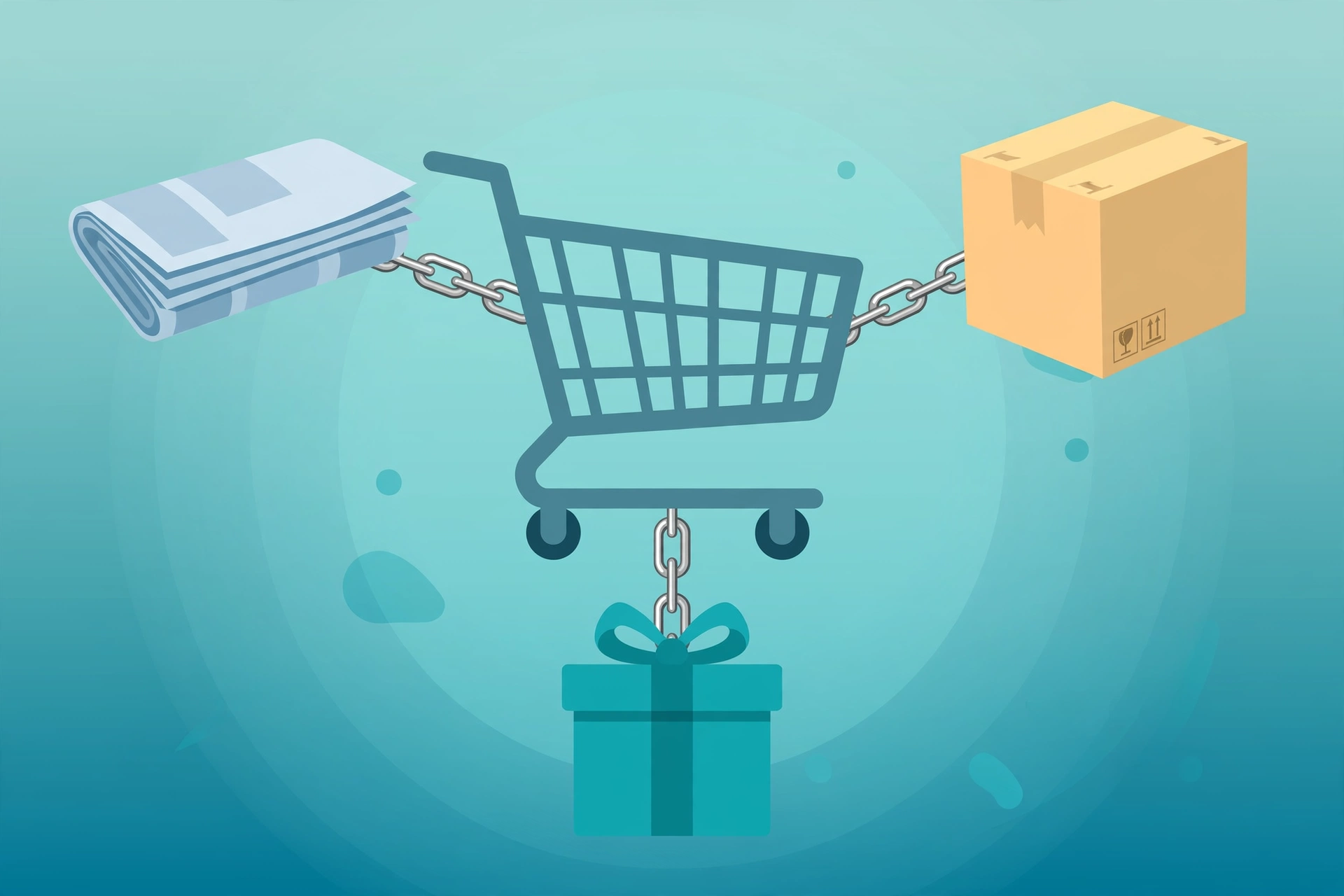
Most ecommerce stores do not have a traffic problem — they have a link problem. If nobody links to your store, Google has little reason to rank you above competitors. The uncomfortable truth: nobody links to a product page for fun. So ecommerce link building means creating link-worthy assets around your store, then channeling that authority to money pages.
On this page
This is the tactics playbook. For the strategic foundation — why ecommerce link building is harder than blog link building, the asset-first model, hub-and-spoke architecture — read our ecommerce link building overview first. Here we skip theory: 12 tactics you can start this week.
What Is Ecommerce Link Building?
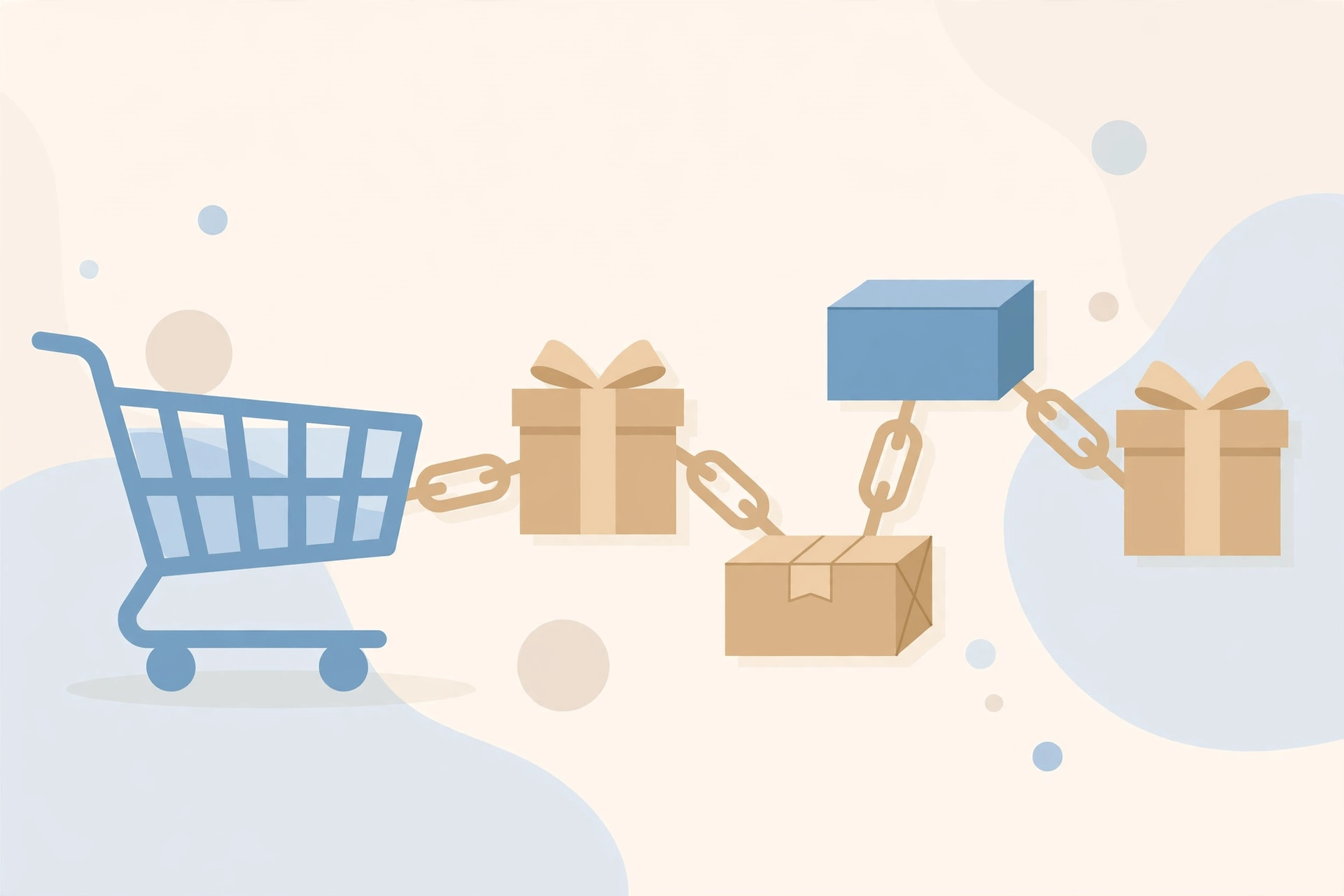
Ecommerce link building earns backlinks to a store’s product pages, category pages, and supporting content. It deserves its own playbook because standard link building tactics break down on stores.
Here is why: blogs earn links by being interesting; store pages earn money by being transactional. Bloggers link to guides, journalists to stories and data, resource pages to references — a running-shoe product page is none of those, which is why pitching journalists for product-page links gets silence.
The fix is the asset-first model: build links to linkable assets (buying guides, data studies, free tools, press-worthy stories), then funnel that authority to product and category pages via internal linking. Assets earn the links; products harvest the ranking power. Every tactic below follows this logic.
Why Ecommerce Backlinks Are Hard to Get
Before the tactics, understand the failure modes — because most stores burn budget on approaches that cannot work:
- Buying links at scale. Ecommerce is heavily targeted by link sellers because store owners feel ranking pressure in their revenue. Paid links violate Google’s spam policies and risk manual actions that can erase years of work.
- Directory spam. Submitting your store to 500 generic directories produces links with zero topical relevance. A handful of niche-relevant directories is fine; bulk submission is noise.
- Exact-match anchor stuffing on commercial pages. Fifty backlinks with the anchor “buy cheap running shoes” pointing at your category page is a manipulation footprint. Over-optimized anchors on money pages are exactly what Google’s filters look for.
- Outreach without assets. Pitching a journalist to “check out our new product line” is not link building — it is spam. Outreach amplifies link-worthy content; it cannot substitute for it.
The pattern behind every working tactic below: create something genuinely worth referencing first, then make sure the right people see it.
Twelve Proven Ecommerce Link Building Tactics
Each ecommerce link building tactic below includes a concrete step-by-step process. They are ordered roughly by ceiling — the top tactics can transform a store’s authority.
Digital PR With Product Data
Your store sits on data no blogger can replicate: real transaction and review data. Turn it into statistics journalists cite.
- Step 1: Pull one interesting dataset — order timing, review sentiment by product, return reasons, geographic buying patterns.
- Step 2: Find the single most surprising, quotable stat. One killer number beats twenty mild ones.
- Step 3: Write a 300-word press summary with the stat up top, methodology below, and a founder quote.
- Step 4: Pitch 15–20 journalists covering your niche or consumer trends. Lead with the stat in the subject line.
One campaign like this can earn links from publications your competitors cannot buy their way into. For deeper methodology, Ahrefs’ ecommerce link building guide covers digital PR workflows in detail.
Gift Guides and Roundup Outreach
“Best gifts for X” roundups are published by nearly every lifestyle publication before major holidays, and they link generously — gift guide links are editorial recommendations, so they are dofollow more often than typical product coverage.
- Step 1: Start 2–3 months before the season (October for holiday guides, April for Mother’s/Father’s Day).
- Step 2: Build a target list of 30–50 publications and bloggers who published gift guides last year.
- Step 3: Send a concise, visual pitch — what it is, who it is for, price — linking to a press kit page with high-resolution images. No attachments.
- Step 4: Follow up once, 10 days later, with a new angle (a different recipient persona or use case).
Use proven outreach templates as your starting skeleton, then personalize the first two lines for each recipient — gift guide editors can smell mass email instantly.
Supplier and Manufacturer Links
The easiest wins most stores ignore. Manufacturers maintain “where to buy” and stockist pages linking to retailers. If you stock their products and are not listed, you are leaving links on the table.
- Step 1: List every brand and supplier you stock.
- Step 2: Check each one’s site for a dealer locator, stockist page, or “where to buy” section.
- Step 3: Email your account manager (not a generic contact form): “We stock your full line — could you add us to your retailer list?” Include your logo and URL.
- Step 4: Repeat annually. Supplier sites redesign often, and listings quietly disappear.
These links are topically perfect, and they convert well because suppliers want customers to find their retailers.
Broken Link Building on Resource Pages
Resource pages (“helpful links for runners”, “camping gear resources”) accumulate dead links as stores close and products get discontinued. Find the dead ones pointing at content similar to yours, and offer your page as the replacement.
- Step 1: Search for resource pages in your niche: keyword + “useful links”, keyword + “resources”, keyword + “helpful sites”.
- Step 2: Run each page through a broken-link checker and note dead outbound links relevant to your catalog or guides.
- Step 3: Email the page owner: point out the specific dead link, then suggest your live page as a replacement. You are doing them a favor first, pitching second.
Our broken link building guide covers the full prospecting workflow.
Unlinked Brand Mentions
People already mention your brand without linking — in reviews, forums, and listicles. Each mention is a link waiting for one polite email.
- Step 1: Set up alerts for your brand name, product names, and common misspellings (Google Alerts is free; a backlink tool’s mention tracker is better).
- Step 2: Weekly, filter mentions to pages that mention you but do not link.
- Step 3: Send a short thank-you email: “Thanks for mentioning us — would you mind linking the brand name so your readers can find us?” Conversion rates of 20–30% are normal because the author already chose to mention you.
Create Linkable Buying Guides
“How to choose” content is the workhorse of ecommerce link building. An excellent buying guide outranks thin competitors, attracts links from blogs and forums, and links to your products — earning and converting in one move.
- Step 1: Pick the buying decision your customers struggle with most (check support tickets and reviews for “how do I choose” questions).
- Step 2: Write the definitive guide: 2,000+ words, real photos, comparison tables, honest trade-offs. Better than anything currently ranking.
- Step 3: Internally link every product mention to its product page, and link the guide from the parent category page.
- Step 4: Promote it where buyers research: niche subreddits, forums, and roundup outreach to bloggers who link to inferior guides.
Product Reviews by Bloggers and Creators
Sending products to bloggers, YouTubers, and niche reviewers in exchange for honest reviews is the most direct way to earn links to commercial URLs — the reviewer has a genuine reason to reference exactly what they tested.
- Step 1: Find 20–30 mid-tier creators in your niche (engaged audiences beat subscriber counts).
- Step 2: Offer a free product with no strings beyond an honest review — never pay for a positive review or dictate the verdict.
- Step 3: Disclose the relationship properly and accept nofollow where the creator’s policy requires it; even nofollow review links drive qualified traffic and often get followed by editorial dofollow links later.
- Step 4: Send a thank-you plus an affiliate offer to the best performers.
Coupon and Deal Page Links
Coupon and deal aggregators link generously — often sitewide — to stores with active offers. A volume play: rarely authoritative, but real, relevant, and easy to earn.
- Step 1: Create a dedicated, crawlable coupon page on your own site (this becomes the link target, not a third-party page).
- Step 2: Submit your store and active codes to the top 10–15 coupon sites in your market.
- Step 3: Weigh the trade-off honestly: heavy coupon visibility can train customers to never pay full price and dilute brand perception. Premium brands often skip this tactic deliberately.
HARO and Connectively for Founder Quotes
Journalists constantly need expert quotes on consumer trends, and ecommerce founders have practical expertise they want. Responding to journalist queries earns editorial links to your homepage or about page from high-authority news domains.
- Step 1: Sign up as a source on Connectively (the platform formerly known as HARO) and set alerts for your niche.
- Step 2: Answer 3–5 relevant queries per week. Lead with a quotable one-liner, add one line of credentials, keep it under 150 words.
- Step 3: When quoted, thank the journalist and share the piece — relationships compound, and repeat sources get called back.
Expect a 5–15% pitch-to-placement rate starting out — but a steady habit compounds into a formidable link profile over a year.
Testimonials for Your Vendors
Your payment processor, email platform, and SaaS tools publish customer testimonials — usually with a link back. Ten minutes each.
- Step 1: List every vendor and tool you pay for.
- Step 2: Check which ones feature customer stories or testimonials pages.
- Step 3: Send a genuine 2–3 sentence testimonial with your name, title, company, and URL. Mention a specific result if you can — vendors publish specific stories, not generic praise.
Launch an Affiliate or Ambassador Program
Affiliates link to your store to earn commissions — which means your link building scales with your revenue.
- Step 1: Set up affiliate tracking (most ecommerce platforms have apps for this; keep commission competitive for your niche, typically 10–20%).
- Step 2: Recruit niche bloggers, comparison sites, and creators who already write about your category.
- Step 3: Give affiliates linkable assets — banners, product feeds, exclusive discount codes — so their links point at useful pages, not just your homepage.
- Step 4: Audit quarterly: the program earns links only if affiliates publish content, not if they just hold a tracking link.
Build One Free Interactive Tool
A sizing quiz, a shipping cost estimator, a “find your perfect X” finder — interactive tools earn links for years with minimal maintenance. They get bookmarked, shared, and referenced in “useful resources” roundups long after launch.
- Step 1: Identify the single most-asked pre-purchase question in your niche (“what size do I need?”, “how much will it cost?”, “which type is right for me?”).
- Step 2: Build the simplest version that genuinely answers it — a one-page calculator or quiz, not a web app.
- Step 3: Launch it as a standalone page with its own title and description, internally linked from relevant category pages.
- Step 4: Pitch it to resource pages and bloggers in your niche as a free resource for their readers.
The development cost is one-time; the links compound. A good tool can become the single most-linked page on a store’s entire domain.
Ecommerce Backlinks: Which Pages Should Get Them?
Not every page deserves outreach effort. Prioritize in this order:
- 1. Homepage — the default target for press, HARO quotes, and brand mentions. Authority earned here flows everywhere through your navigation.
- 2. Category pages — your money pages for head terms. They rank on internal authority passed down from the homepage and linkable assets.
- 3. Buying guides and blog content — your linkable assets. These earn the most external links by design.
- 4. Product pages — target these only with review-driven links and “best of” list inclusions, where the link target is naturally the product itself.
Before you start outreach, know your baseline: run your domain through our free website authority checker to see which pages already carry weight. Ecommerce link building works fastest when you point new links at pages that already have a foundation to build on.
The mechanism connecting them is internal linking: every guide links to its parent category, every category links to its top products. Stores that obsess over external links while their internal structure bleeds authority are pouring water into a leaking bucket.
Anchor text rules for ecommerce: keep external anchors branded or naked-URL (“YourStore”, “yourstore.com”) — that’s what natural linking looks like. Save descriptive and exact-match anchors for internal links, where you control them. External exact-match anchors on product pages invite a Penguin-style filter. See our anchor text guide for safe ratios.
Ecommerce Link Building Mistakes to Avoid
- Buying PBN links. Private blog networks aimed at commercial pages are the highest-risk link scheme in ecommerce. Google’s spam policies explicitly prohibit link spam, and manual actions can remove a store from search results overnight.
- Sitewide footer links from coupon or partner sites. Thousands of identical keyword-rich footer links are a footprint, not a strategy.
- Exact-match anchors to product pages. As covered above: branded externally, descriptive internally.
- Ignoring internal linking. Category pages buried four clicks deep and orphan product pages waste every external link you earn. Fix architecture before scaling outreach.
- Building links faster than content. A store with 10 blog posts gaining 200 referring domains looks unnatural — grow content and links together.
- Never reclaiming lost links. Stores accumulate broken backlinks as products are discontinued. A quarterly check for 404 pages with inbound links — redirected to live equivalents — recovers authority you already earned, with zero outreach.
How Long Until Ecommerce Links Move Rankings?
Expect 2–4 months for visible movement on competitive category terms — ecommerce link building takes time because links must be discovered, crawled, and factored in, and commercial keywords move slowly. Homepage authority lifts faster, often within weeks.
Track what matters, not vanity metrics:
- Referring domains to money pages (categories and key products), not just the domain total.
- Category-page ranking shifts for your head terms, week over week.
- Revenue per landing page — the metric that justifies the budget.
Check your backlinks monthly with a proper backlink tool so you can see which tactics are actually producing referring domains — then double down on what works and cut what does not.
FAQ
How many backlinks does an ecommerce site need?
There is no fixed number — it depends on your niche’s competitiveness. A useful benchmark: count the referring domains of the category pages outranking you, and aim to close that gap with relevant, quality links. Ten relevant links beat a hundred irrelevant ones.
Can I buy backlinks for my store?
You should not. Paid links violate Google’s spam policies and expose a revenue-generating business to manual penalties. Every tactic in this guide earns links without payment — slower, but the links survive algorithm updates and the authority compounds.
Do product pages need backlinks?
Directly, only from reviews and “best of” lists where the product is the natural target. Otherwise, product pages rank on authority passed internally from your homepage, categories, and assets. Build links to assets; let internal linking distribute.
What is a good anchor text ratio for ecommerce?
One more ecommerce link building rule: keep external anchors overwhelmingly branded and naked-URL (roughly 70–80% combined), with the rest split between generic and partial-match phrases. Keep exact-match commercial anchors under 5% externally — and use exact-match freely in internal links instead.
Done-for-you podcast backlinks
Get your brand on Apple Podcasts, Spotify, Amazon and 25 more trusted platforms — placed by hand, reported link by link.