

Link building for ecommerce sites means earning backlinks to product pages, category pages, and content hubs. If you’re new to the discipline, start with a beginner-friendly walkthrough of how link building works before tackling these ecommerce-specific tactics. The best tactics: digital PR, supplier links, blogger product reviews, original research, and resource page outreach. It is harder than blog link building because product pages are naturally less link-worthy — so strategy must compensate.
On this page
Here is the uncomfortable truth most guides skip: nobody naturally links to a product page. Bloggers link to interesting content, journalists link to stories, and resource pages link to useful references. A page selling blue running shoes is none of those things. Successful ecommerce SEO accepts this reality and builds link acquisition systems around linkable assets that support commercial pages, rather than begging for links directly to products.
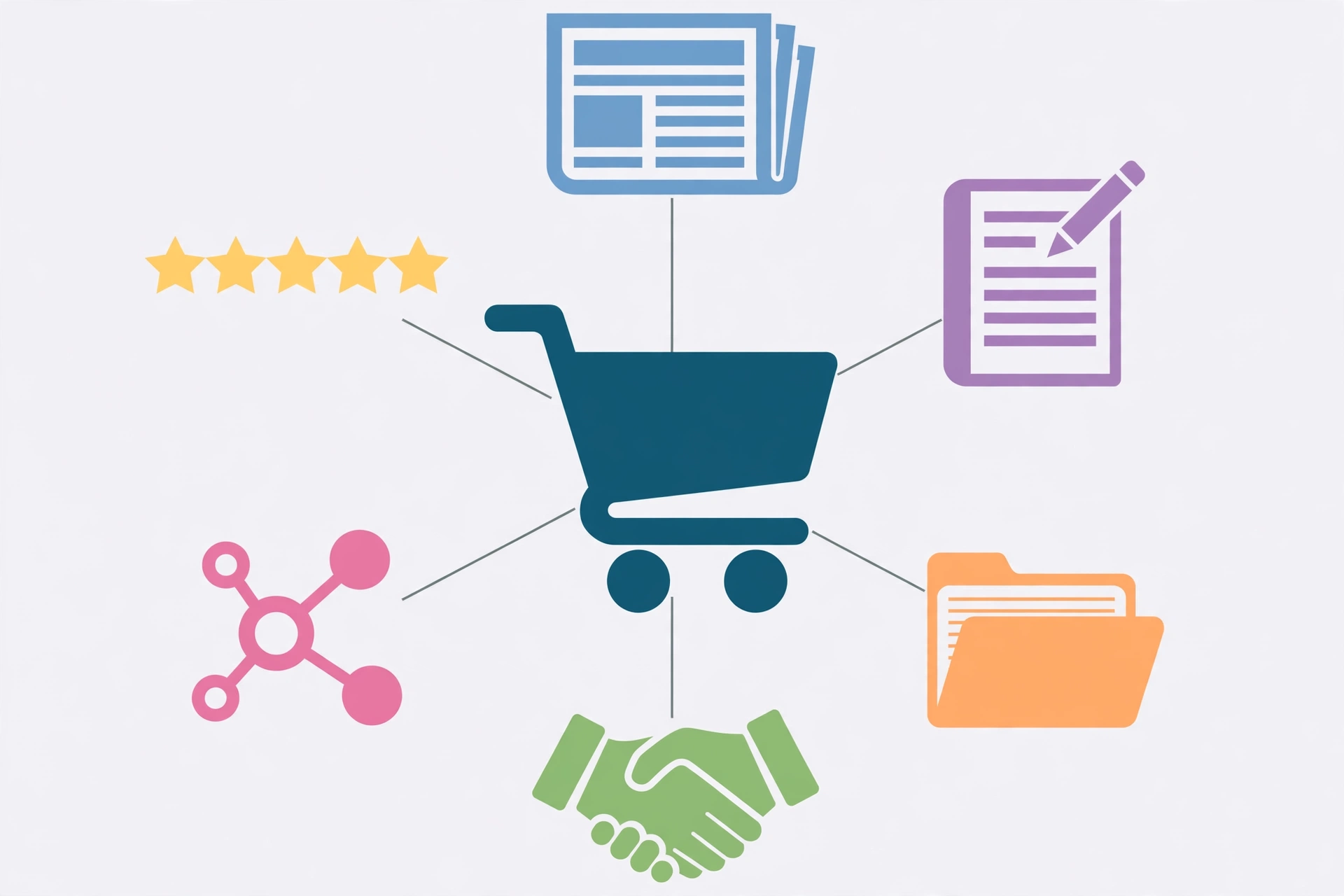
This guide covers why ecommerce link building is uniquely difficult, the core strategies that actually work, product-specific tactics, digital PR at scale, the underused supplier link channel, and mistakes that waste your budget.
Why Ecommerce Sites Struggle With Link Building
Understanding the structural disadvantage is the first step to overcoming it. Three factors make ecommerce backlinks harder to earn than links in most other niches.
Product pages are not link-worthy. This is the core problem. Link earning depends on giving someone a reason to reference your page. Informational content earns links by being useful, original, or entertaining. A product listing — title, price, specifications, buy button — offers none of those hooks. Even excellent products rarely attract editorial links to their sales pages, because linking to a store feels promotional rather than helpful.
Category pages face duplicate content pressure. Ecommerce category pages (“Men’s Running Shoes”) are critical for rankings but notoriously thin. When hundreds of stores sell similar products with similar descriptions, there is little worth linking to. Building links to undifferentiated category pages is an uphill battle.
Scale multiplies every problem. A blog with 50 articles can manually build links to each one. A store with 5,000 SKUs cannot. Ecommerce link building must work through systems and leverage — assets and relationships that generate links at scale — rather than page-by-page outreach.
The solution is architectural: build linkable assets (guides, tools, data studies, interactive content) that naturally attract links, then channel that authority inward to commercial pages through strategic internal linking. Your blog and resources earn the links; your products harvest the ranking power. Our link building case study shows this hub-and-spoke pattern producing measurable ranking lifts.
Link Building for Ecommerce Sites: Core Strategies That Work
These are the highest-leverage ecommerce link building strategies, ordered roughly by impact for most stores.
Content marketing with commercial intent bridges. Publish buying guides, comparison content, and educational resources related to your products — planned on an SEO content calendar so the pipeline stays consistent. A store selling coffee equipment might publish “The Complete Guide to Espresso Grind Size” — genuinely useful content that earns links from coffee blogs and forums. Internally, that guide links to your grinder product pages, passing authority where it converts. The content earns links because it is useful; the products rank because they receive the flow.
Data-driven studies and original research. Survey your customers, analyze your sales data (anonymized), or compile industry statistics into a cited resource. Original data is link magnet material — journalists, bloggers, and even competitors reference primary sources. An ecommerce store has a structural advantage here: real transaction data that no blogger can replicate.
Free tools and calculators. A sizing calculator, a shipping cost estimator, a product finder quiz — interactive tools earn links for years with minimal maintenance. They get bookmarked, shared, and referenced in “useful resources” roundups. The development cost is one-time; the links compound.
Digital PR around products and brand stories. Product launches, unusual offerings, founder stories, and company milestones are all pitchable to press. Ecommerce brands have tangible things journalists can photograph and write about — an advantage pure digital businesses lack. Build a press page with high-resolution images and brand assets to reduce friction for coverage.
These strategies share a pattern: they create something worth linking to first, then connect it to commercial pages. Ahrefs’ ecommerce link building guide and Backlinko’s ecommerce SEO playbook offer additional tactical depth. For stores also serving geographic markets, our guide to local SEO link building covers location-specific tactics that complement these approaches.
Product Page Link Building Tactics
While linkable assets do the heavy lifting, you can also earn ecommerce backlinks directly to commercial pages with these targeted tactics.
Product reviews and blogger seeding. Send products to bloggers, YouTubers, and niche reviewers in exchange for honest reviews. Most will link to the product page. This is the most direct way to earn links to commercial URLs — the reviewer has a genuine reason to reference exactly what they tested. Focus on mid-tier creators with engaged audiences rather than chasing only the biggest names.
“Best of” list outreach. Search for “best [your product category]” roundups that do not include you. If your product genuinely belongs, pitch the author with specifics: what makes it different, review scores, and why their readers would benefit. These listicles exist to be comprehensive, so omission is often oversight rather than rejection.
Unlinked brand and product mentions. Monitor the web for mentions of your brand or products without links. A quick polite request converts many of these — the author already chose to mention you, so adding the link is a small step. Set up alerts and check monthly.
Testimonial link building. Write testimonials for your suppliers, tools, and service providers. Many publish customer testimonials with a link back to your site. It takes ten minutes per testimonial and the links are editorial and natural.
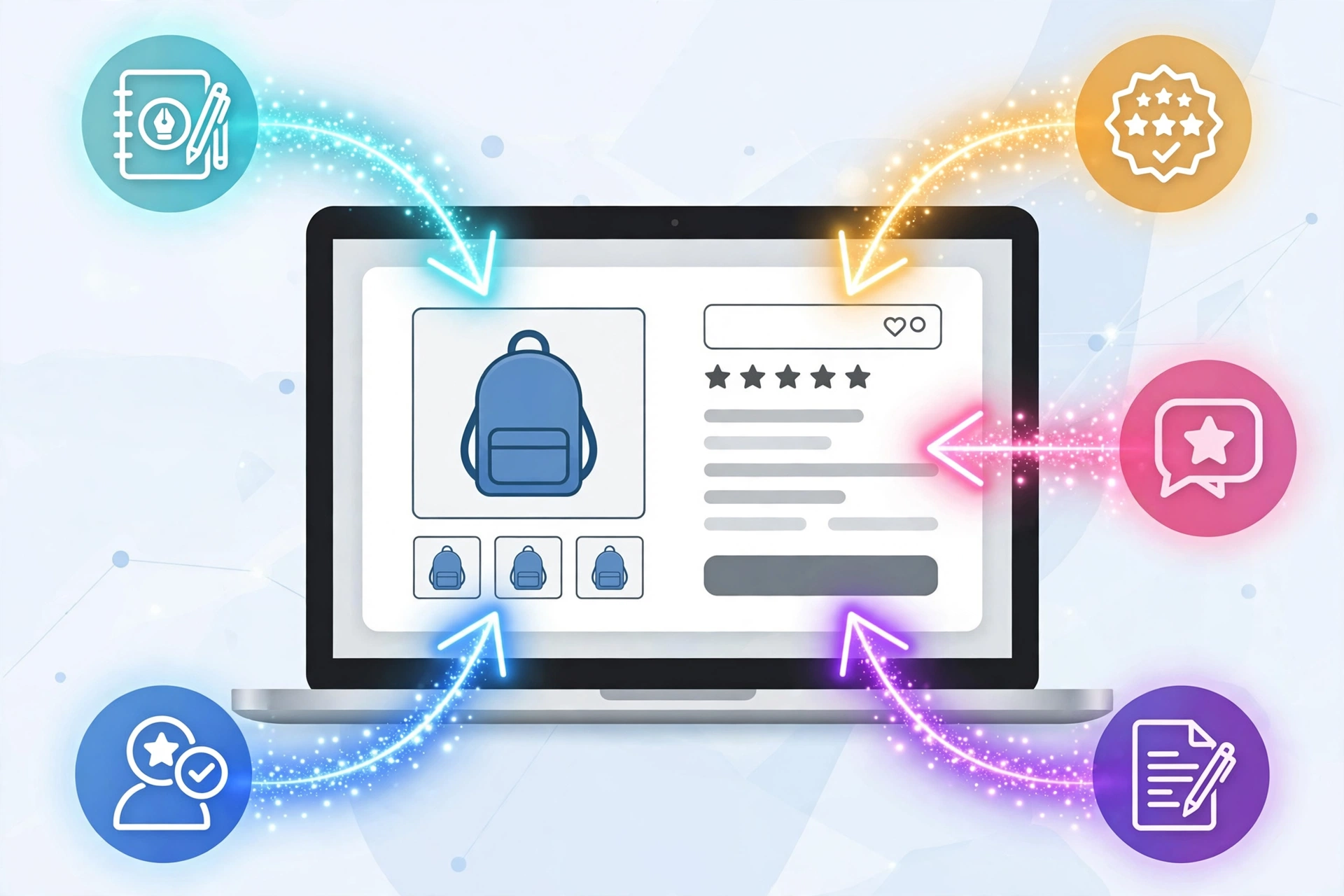
Digital PR for Ecommerce: Earning Links at Scale
Digital PR is the highest-ceiling ecommerce link building channel. Done well, a single campaign can earn dozens of links from major publications — the kind of authority that transforms a store’s rankings.
Newsjacking with products. When your product category hits the news, move fast. A trending topic plus a relevant product plus a quotable founder equals coverage. Keep a list of journalist contacts in your niche and a press kit ready so you can respond within hours, not days.
Seasonal and gift guide pitching. Gift guides are link goldmines published by virtually every lifestyle publication before major holidays. Start pitching 2-3 months early with a concise, visual pitch: what the product is, who it is for, price, and high-quality images. Gift guide links are dofollow more often than typical product coverage because they are editorial recommendations.
Controversial or remarkable stunts. Limited editions, unusual collaborations, record-breaking products, charitable tie-ins — anything genuinely remarkable earns coverage. The key word is genuine; manufactured stunts that feel like marketing rarely get picked up. But real stories — a store that plants a tree per order reaching a million trees, for example — write themselves.
Expert commentary (HARO/Connectively). Responding to journalist queries as a founder or category expert earns links from high-authority news domains. Ecommerce founders have practical expertise journalists want: trends, consumer behavior, and industry insight. A steady HARO habit compounds into a formidable link profile over a year.
Supplier, Partner, and Manufacturer Links
This is the most underused channel in ecommerce SEO. Your existing business relationships are sitting on links most competitors never claim.
Supplier “where to buy” pages. Many manufacturers maintain dealer or stockist lists linking to retailers. If you stock their products and are not listed, ask. This is a straightforward, high-conversion request — suppliers want customers to find their retailers.
Partner and integration pages. Your payment processor, shipping provider, email platform, and other vendors often feature customer stories or integration directories. Each is a legitimate, relevant backlink from an established domain.
Manufacturer testimonials. As with the testimonial tactic generally, B2B suppliers love publishing retailer success stories. Offer a quote and a case study; receive an editorial link from a domain that is topically relevant to your products.
Industry associations and certifications. Trade groups, certification bodies, and business networks typically link to member directories. Membership often pays for itself in link value alone, before counting the networking benefits.
Audit every vendor, supplier, and partner relationship once a year specifically for link opportunities. Most stores find 10-30 unclaimed links in their existing network — the easiest wins in all of proven ways to get backlinks.
Ecommerce Link Building Mistakes to Avoid
Buying links at scale. Ecommerce is heavily targeted by link sellers because store owners feel the ranking pressure acutely. Paid links violate Google’s spam policies and risk manual penalties that can erase years of work overnight. The short-term ranking bump is never worth the existential risk to a revenue-generating store.
Ignoring internal linking. Stores obsess over external links while their internal link structure bleeds authority. Category pages buried four clicks deep, orphan product pages, and blog content disconnected from commercial pages are endemic. Fix internal architecture before spending heavily on outreach — it is cheaper and often more impactful.
Outreach without linkable assets. Pitching journalists and bloggers to link to a product page almost never works. Build the asset first (guide, study, tool), earn the link to the asset, then flow authority internally. Outreach amplifies link-worthy content; it cannot substitute for it.
Neglecting link reclamation. Stores accumulate broken backlinks as products are discontinued and URLs change. A quarterly check for 404s with inbound links — redirecting them to live equivalents — recovers authority you already earned. This is pure profit with zero outreach.
You can check backlinks and site authority for free with our website authority checker.
Chasing quantity over relevance. Fifty links from unrelated directories help less than five from niche-relevant publications. Topical relevance of linking domains matters enormously for ecommerce, where Google needs to understand exactly what you sell.
Frequently Asked Questions
How long does ecommerce link building take to show results?
Typically 3-6 months for measurable ranking movement. Links need to be discovered, indexed, and factored into rankings, and competitive commercial keywords move slowly. Digital PR wins can accelerate this, but plan for a sustained effort rather than a quick campaign.
Should I build links to product pages or category pages?
Both, but prioritize category pages for head terms and use product pages for long-tail and review-driven links. Linkable assets (guides, tools) earn the most links overall — then distribute that authority internally to commercial pages.
Is guest posting still effective for ecommerce?
Yes, when done on real publications with genuine audiences. A guest article on a respected industry blog that contextually references your buying guide earns both a quality link and qualified traffic. Avoid guest post farms and networks — those links are liabilities.
How do I compete with Amazon and big retailers for links?
Do not compete head-on for the same links. Instead, own niches they ignore: hyper-specific buying guides, community engagement, local angles, and original data from your customer base. Smaller stores win by being more specialized and more human than giants.
Can I do ecommerce link building myself or should I hire an agency?
The strategy and relationship-building are hard to outsource well, but execution (prospecting, outreach, follow-ups) can be delegated. Many successful stores run hybrid models: in-house strategy with freelance or agency execution. Whatever you choose, avoid anyone promising specific link counts — that is a red flag for paid schemes.
Written by Mubashir Safeer. Explore more tactics in our backlink acquisition guide and domain authority explainer.
Done-for-you podcast backlinks
Get your brand on Apple Podcasts, Spotify, Amazon and 25 more trusted platforms — placed by hand, reported link by link.