

On this page
- What Backlink Analysis Actually Measures
- How We Compared the Analysis Engines
- The 9 Tools Compared
- The Big Three: Full Backlink Analysis Suites
- Backlink Analysis Specialists
- Free Backlink Analysis Tools
- Two Backlink Analysis Workflows
- Index Size and Freshness: Why the Data Decides Everything
- Backlink Analysis Tools: Frequently Asked Questions
- The Bottom Line
Every link building campaign starts with the same question: what does the backlink landscape actually look like? Backlink analysis tools answer it — they map who links to you, who links to your competitors, and which of those links help or hurt.
This guide compares the 9 best backlink analysis tools for 2026. Not for sending outreach — for reading link data: competitor audits, link gap analysis, anchor text patterns, toxic-link detection, and index freshness. Whether you are auditing your own profile or reverse-engineering a rival’s, you will leave knowing which analysis engine to trust — and what separates high-authority backlinks from links that only look impressive.
What Backlink Analysis Actually Measures
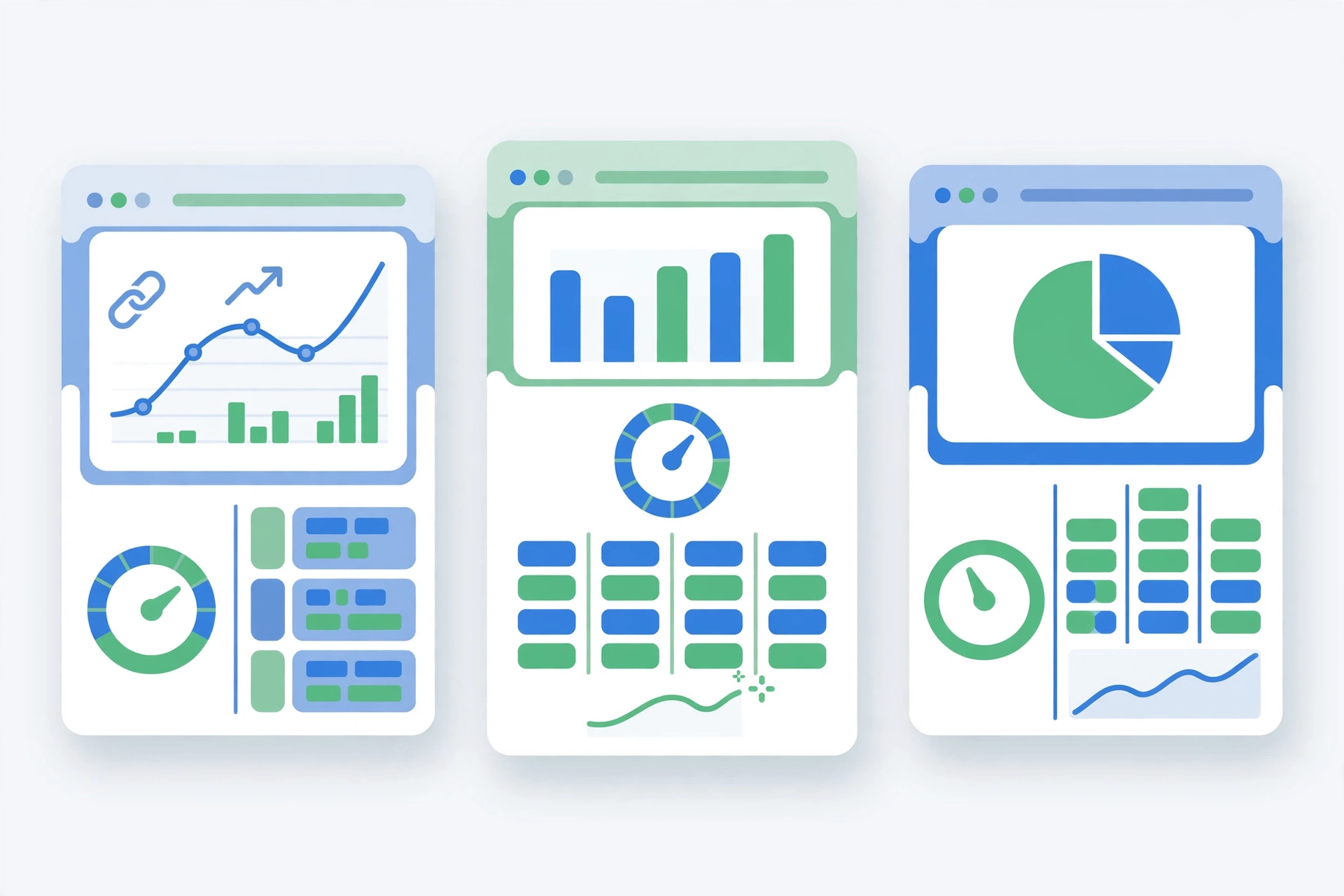
Newcomers assume backlink analysis means counting links. Professionals know the count is the least interesting number. A serious analysis answers five questions:
- Link inventory — every referring domain and page pointing at a site, with first-seen and last-seen dates. Stale indexes lie by omission.
- Anchor text distribution — the ratio of branded, exact-match, and generic anchors. Over-optimized anchor profiles are a manipulation footprint.
- Link velocity — how fast new links appear. A sudden spike means a campaign (or a link scheme) is running right now.
- Referring domain quality — not just how many domains link, but whether they are topically relevant and trustworthy.
- Toxic signals — spammy neighborhoods, link networks, and paid-link footprints that could drag a site down.
How We Compared the Analysis Engines
Most “best tools” roundups score features. We scored data — because in analysis, the data is the product. Seven criteria:
- Index size and freshness — how many links the crawler knows about, and how recently it re-crawled them.
- Metric quality — whether authority scores (Domain Rating, Domain Authority, Trust Flow) correlate with anything real.
- Anchor text reporting — full anchor distributions, not just top-ten lists.
- Toxic-link detection — spam scoring, link-network identification, and disavow workflow support.
- Gap and intersect analysis — finding domains that link to competitors but not you, the core of competitive analysis.
- Historical data — can you see when a competitor’s big links appeared?
- Price honesty — what the analysis features really cost, not the headline starter price.
Prices below are starting prices as listed publicly — confirm current pricing before buying, because SaaS pricing changes often.
The 9 Tools Compared
The short version before the deep dive — all nine at a glance. Find your analysis job, then read the detailed breakdown.
| Tool | Analysis Strength | Key Metrics | Starts At (approx.) | Best For |
|---|---|---|---|---|
| Ahrefs | Deepest link index + Link Intersect | Domain Rating, URL Rating | $129/mo | Serious competitor analysis |
| Semrush | Backlink Gap + toxic scoring | Authority Score, Toxic Score | $139/mo | All-in-one audits with cleanup |
| Moz Pro | Approachable metrics + Spam Score | Domain Authority, Spam Score | $99/mo | Beginners learning analysis |
| Majestic | Trust Flow forensics + historic index | Trust Flow, Citation Flow | $49/mo | Link quality forensics |
| SE Ranking | Backlink monitoring + gap analysis | Domain Trust, Page Trust | $52/mo | Budget-friendly monitoring |
| Ubersuggest | Simple competitor overviews | Domain Score | $29/mo | Lightweight occasional checks |
| Mangools SiteProfiler | Clean SEO metrics per domain | Domain Authority, Citation Flow | $29/mo | Quick domain-level analysis |
| Google Search Console | Official link data for your own site | Google’s own link counts | Free | Your own baseline truth |
| Ahrefs Webmaster Tools | Free Site Explorer for owned sites | Domain Rating (own sites) | Free | Free deep analysis of your sites |
Verdict: Ahrefs leads on depth, Majestic is the specialist’s bargain, Semrush wins on analysis-plus-cleanup. Start free — Search Console and Ahrefs Webmaster Tools define what a paid tool must add to justify itself.
The Big Three: Full Backlink Analysis Suites
These platforms combine deep link indexes with competitor research and monitoring. For most analysts, one of these three is the only paid subscription they will ever need.
Ahrefs
Ahrefs remains the industry standard for backlink data, and the gap is widest exactly where analysis matters: index freshness and depth. Site Explorer shows every known backlink to any domain with anchor text, first-seen dates, and dofollow/nofollow status. Link Intersect reveals sites linking to competitors but not you — the single most actionable competitive analysis feature in SEO.
The honest downside is cost — around $129/month with credit limits on the entry plan. If you analyze backlinks weekly, the data pays for itself; if you check quarterly, the free Ahrefs guides on link building plus Ahrefs Webmaster Tools (free, covered below) may suffice.
Verdict: best for analysts who live inside backlink data. Skip if you only need occasional checks.
Semrush
Semrush’s analysis edge is the cleanup loop: its Backlink Audit tool scores every linking domain for toxicity and walks you through building a disavow file, while Backlink Gap finds domains linking to competitors but not you. The Authority Score blends link power, traffic estimates, and spam signals into one number — useful for triage, dangerous if trusted blindly. It also bundles keyword research and site audits, so the value per dollar is strong if you need more than link analysis.
The tradeoff: its link index trails Ahrefs on freshness for smaller sites, and ~$139/month is real money. Teams already paying for Semrush get the analysis features essentially free — the strongest argument for it.
Verdict: best for analysis plus toxic-link cleanup in one subscription. Skip if raw index depth is all you need.
Moz Pro
Moz Pro is the gentlest entry into backlink analysis. Link Explorer is straightforward, Domain Authority remains the industry’s most-quoted site-strength metric, and Spam Score flags risky link profiles at a glance — genuinely useful for beginners learning what a bad neighborhood looks like. The Moz beginner’s guide to backlinks is still one of the best free learning resources in SEO.
The limitation is depth: power users consistently find Moz’s index smaller and slower to refresh than Ahrefs’. At around $99/month you are paying for approachability, not data supremacy — a fair trade for year one, less so for year three.
Verdict: best for beginners learning to read link data. Skip if you need maximum index depth.
Backlink Analysis Specialists
Sometimes you do not need a suite — you need a scalpel. These tools go deeper on specific analysis jobs than the all-rounders, for less money.
Majestic
Majestic is the specialist’s specialist, and this is where it belongs: at the core of any serious analysis toolkit. Trust Flow and Citation Flow measure what the big suites gloss over — not just how many links point at a page, but how trustworthy the linking neighborhood is. A prospect with 1,000 links from spammy directories shows high Citation Flow and near-zero Trust Flow; that ratio tells you instantly whether a link is worth pursuing or worth disavowing. Topical Trust Flow goes further, scoring trust within your niche — a relevance signal the generic authority metrics simply do not have.
Its historic index reconstructs competitors’ campaigns by showing when their major links appeared, and link context reports show exactly where on a page a link sits. The interface feels dated and the learning curve is real, but at around $49/month it is the cheapest way to get genuinely differentiated link intelligence.
Verdict: best for experienced link quality auditors and forensic analysis. Skip if you want an all-in-one suite.
SE Ranking
SE Ranking’s backlink module punches above its price: backlink monitoring with new/lost alerts, gap analysis against competitors, and Domain Trust / Page Trust metrics that are transparent about how they are calculated. The analysis depth does not match Ahrefs, but for ongoing monitoring — watching your own profile for lost links and toxic newcomers — it covers the essential jobs at around $52/month.
Verdict: best budget option for continuous backlink monitoring. Skip if you need deep historical forensics.
Ubersuggest
Ubersuggest keeps analysis simple: enter a competitor’s domain and see their top backlinks, top pages by links, and anchor overview. The data is thinner than the suites and there is no real historic index — but for a quick “where are their links coming from?” check at around $29/month, it answers fast.
Verdict: best for quick, lightweight competitor peeks. Skip if you need reliable depth.
Mangools SiteProfiler
SiteProfiler (part of the Mangools suite) gives you clean per-domain metrics — authority, Citation Flow, Trust Flow, top backlinks, and anchor text — in an interface a beginner can read in minutes. It will not replace a deep index for forensic work, but as a fast “is this domain worth a closer look?” filter at around $29/month, it earns its place.
Verdict: best for fast domain-level triage. Skip if you need campaign-level forensics.
Free Backlink Analysis Tools
You can do real backlink analysis without spending a dollar. These cover the fundamentals — and knowing their limits tells you exactly when paying becomes worth it.
Google Search Console
Every site owner should start here. Search Console’s Links report shows who links to you, your most-linked pages, and your top anchor text — straight from Google, free. It will not show competitor backlinks and the data is sampled, but for monitoring your own link equity it is the ground truth no paid tool can contradict.
Concrete routine: monthly, export your top linked pages and check whether your most-linked content is also your most important content. If a forgotten post has 40 links and your money page has 3, that gap is your next project.
Verdict: non-negotiable baseline for every site owner.
Ahrefs Webmaster Tools
Ahrefs offers a genuinely free tier — Site Explorer and Site Audit for websites you verify you own. That means Ahrefs-grade anchor analysis, lost-link tracking, and toxicity signals for your own sites at $0. The limitation is scope: no competitor analysis, which is where paid plans earn their keep. For freelancers managing client sites, verifying each one gives professional backlink monitoring for free.
Verdict: best for free deep analysis of your own sites. Skip if you need competitor data.
Two Backlink Analysis Workflows
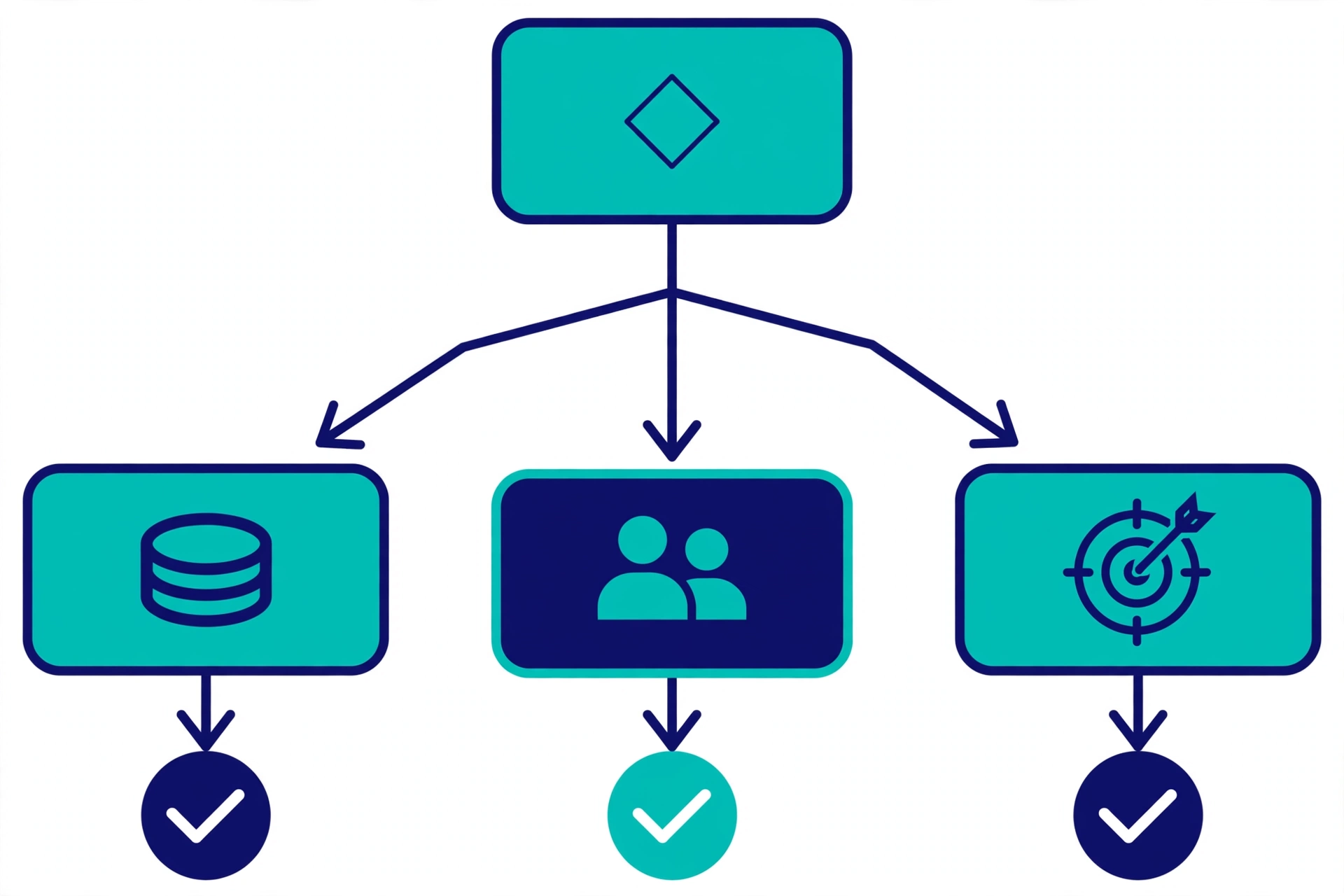
The two analysis workflows professionals run on repeat — one defensive, one offensive:
Workflow 1: Audit Your Own Link Profile
Run this quarterly, or after any traffic drop. First, export your full backlink list from Search Console or Ahrefs Webmaster Tools. Second, scan the anchor text distribution: if exact-match commercial anchors dominate, dilute with branded and natural links. Third, sort referring domains by authority and eyeball the bottom of the list — link farms, foreign-language spam, and hacked-site links cluster there. Fourth, check lost links over the last 90 days; a high-authority link that disappeared is worth one polite reclamation email. The whole audit takes an afternoon, and it is the single best defensive habit in SEO.
Workflow 2: Reverse-Engineer a Competitor
Pick the competitor outranking you and run their domain through your analysis tool of choice. First, use link intersect or backlink gap to list domains linking to them but not you — that is your prospect list, pre-qualified by the fact that these sites link to content like yours. Pair this with solid competitor backlink analysis technique and you are pitching sites already proven to link out. Second, check their link velocity: a steady climb means active campaigns to match; a flat line means old links doing the work. Third, study their anchor patterns and their most-linked pages — competitors’ most-linked content reveals which formats earn links in your niche (data studies, free tools, definitive guides). You are not copying their links; you are learning which kinds of links the niche rewards.
Index Size and Freshness: Why the Data Decides Everything
Here is the uncomfortable truth behind every comparison table: a backlink analysis tool is only as good as its crawler. Two tools can show you different link counts for the same domain, and both can be “right” — they just crawled different parts of the web at different times. Freshness matters more than most buyers realize: a tool whose index updates weekly will show you a competitor’s new links while the campaign is still running; a tool updating monthly shows you history.
Practically, this means two things. First, never treat one tool’s link count as absolute — cross-check consequential findings (especially toxic-link verdicts) in a second index before acting. Second, match the tool to the tempo of your work: monthly competitor analysis justifies paying for freshness; quarterly self-audits run fine on free data. The most expensive mistake in this category is buying the deepest index and then never opening it.
Backlink Analysis Tools: Frequently Asked Questions
What is the best backlink analysis tool for beginners?
Start free: Google Search Console plus Ahrefs Webmaster Tools cover your own site’s link data completely. When you need competitor data, Moz Pro is the most beginner-friendly paid option — its metrics are easy to read and its Spam Score teaches you what bad links look like.
Are there free backlink analysis tools that actually work?
Yes. Search Console shows who links to you with Google’s own data, and Ahrefs Webmaster Tools gives Ahrefs-grade analysis for sites you own. What free tools cannot do is reveal competitor backlinks or show historical link data — that is what paid indexes sell.
Ahrefs vs Semrush — which is better for backlink analysis?
Ahrefs wins on index depth, freshness, and historical data; its Link Intersect is the best competitive analysis feature available. Semrush wins on the analysis-to-action loop — toxic scoring plus disavow workflows in one place. Choose Ahrefs for research depth, Semrush if you also need cleanup tooling.
How do I find toxic backlinks pointing to my site?
Export your referring domains and look for the classic signals: link farms, hacked domains, and exact-match anchor spam. Semrush’s Backlink Audit and Moz’s Spam Score automate the first pass, but always eyeball the flagged domains yourself before disavowing — automated toxicity scores produce false positives.
Can backlink analysis tools show me my competitors’ strategies?
To a useful extent: link velocity reveals whether they are actively building, historical data shows when their big links landed, and their most-linked pages reveal which content formats earn links in your niche. What the tools cannot show you is how they earned each link — the outreach, relationships, and content quality behind it. Analysis shows the what; the how is still your job to figure out.
The Bottom Line
The 9 best backlink analysis tools in 2026 answer different questions, so pick by the question you ask most. Ahrefs gives you the deepest, freshest index and the best competitive forensics; Semrush pairs solid analysis with toxic-link cleanup; Moz Pro teaches beginners to read link data without drowning them; Majestic remains the specialist’s scalpel for trust and quality forensics; SE Ranking, Ubersuggest, and Mangools cover budget and lightweight jobs; and Search Console plus Ahrefs Webmaster Tools handle your own site for free.
The workflow that wastes the least money: audit your own profile quarterly with the free tools, buy one paid index when competitor analysis becomes routine, and cross-check consequential findings in a second source before acting. Analysis does not build links; it tells you where building them will count. For a broader view of the free side of this category, see our roundup of free backlink analysis options.
Done-for-you podcast backlinks
Get your brand on Apple Podcasts, Spotify, Amazon and 25 more trusted platforms — placed by hand, reported link by link.