
Anchor text in SEO is the clickable text in a hyperlink — the words you see underlined (usually in blue) that take you to another page when clicked. In the HTML code, it looks like this:
On this page
- Anchor Text Meaning: The Simple Definition
- Types of Anchor Text (With Real Examples)
- The Google Penguin Update: Why Anchor Text Became Dangerous
- Why Anchor Text Matters for Rankings
- Anchor Text Distribution: What Natural Looks Like
- Anchor Text Mistakes That Trigger Penalties
- How to Optimize Anchor Text in 2026
- Frequently Asked Questions
<a href="https://example.com">clickable text here</a>That simple definition understates its importance. Anchors are one of the primary signals Google uses to understand what a linked page is about. In this guide, I’ll explain what anchor text means, the different types with real examples, why it matters for SEO, and how to use it correctly. For advanced strategies on optimizing your anchor distribution, see our complete anchor text SEO guide.
Anchor Text Meaning: The Simple Definition
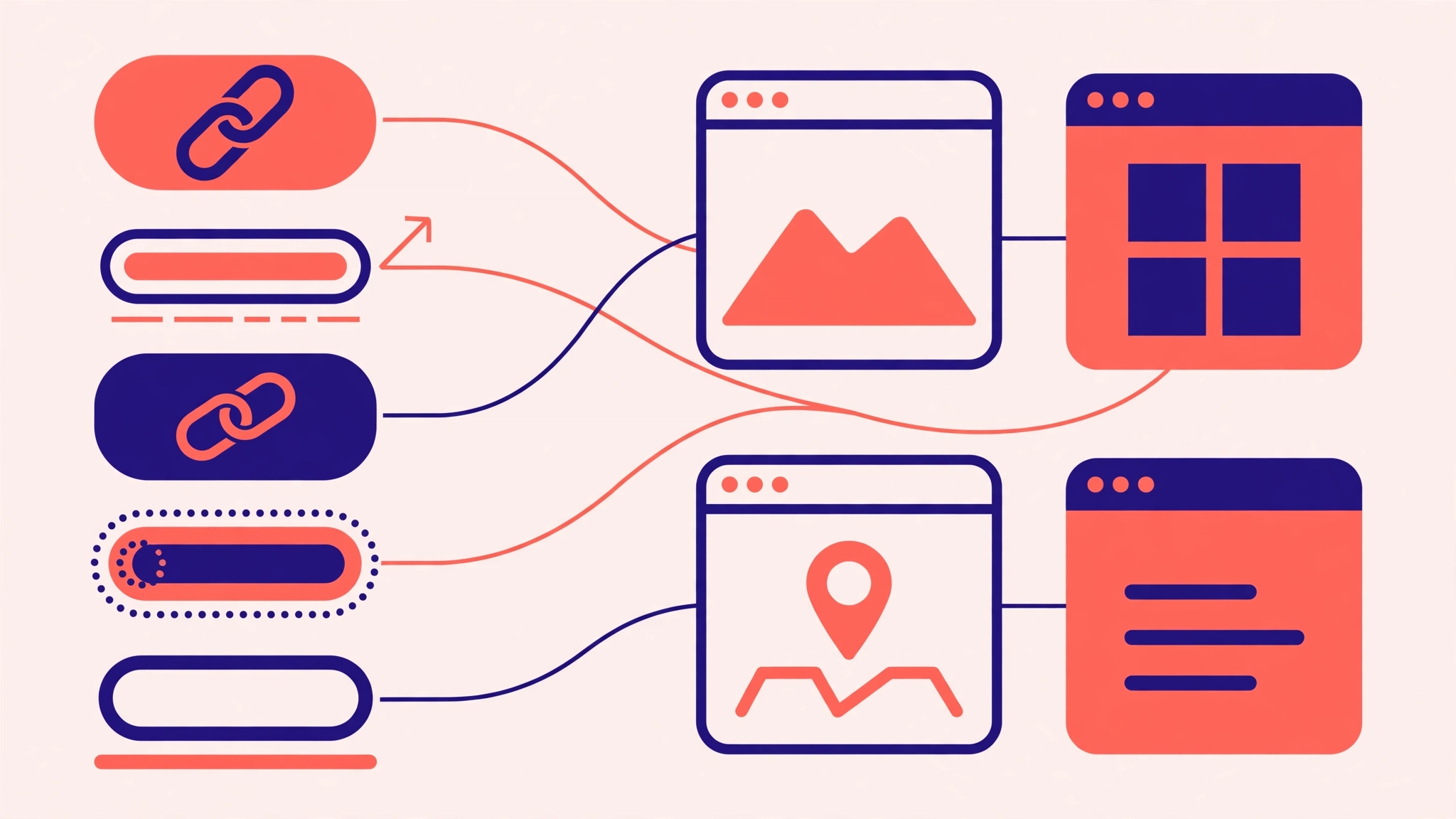
Anchor text is the visible, clickable text in a hyperlink. When you read an article and see blue underlined words that link to another page, those words are the anchor.
Here’s a practical example. In the sentence:
“Learn more about what backlinks are in our detailed guide.”
The anchor is “what backlinks are” — those are the words a reader clicks.
Search engines pay close attention to anchor text because it provides context about the destination page. If 50 websites link to your page with the anchor “best chocolate cake recipe,” Google gains confidence that your page is indeed about chocolate cake recipes. The anchor acts as a description written by other people — which Google tends to trust more than your own claims about your content.
This is powerful, but it’s also why anchor text can be manipulated — and why Google has developed sophisticated systems to detect unnatural anchors patterns. More on that later.
Types of Anchor Text (With Real Examples)
Not all anchors are the same. Here are the main types you’ll encounter, each with an HTML example:
Exact match anchor text
The anchor matches the target keyword exactly.
Example:
<a href="...">best running shoes</a>linking to a page targeting “best running shoes.”
When to use: Sparingly. A few exact-match anchors from high-quality sites are fine, but too many signal manipulation to Google.
Partial match anchor text
The anchor contains the target keyword along with other words.
Example:
<a href="...">check out these great running shoes for beginners</a>When to use: More freely than exact match. Partial match anchors look natural while still providing keyword relevance signals.
Branded anchor text
The anchor is the brand or website name.
Example:
<a href="...">Nike</a><a href="...">Mubashir Safeer</a>When to use: Frequently. Branded anchors are the most natural type — they’re what real people use when referencing a known entity. A healthy link profile has many branded anchors.
Naked URL anchor text
The anchor is the raw URL itself.
Example:
<a href="https://example.com">https://example.com</a>When to use: Common in forums, comments, and citations. Completely natural and safe.
Generic anchor text
Non-descriptive phrases like “click here,” “read more,” or “this article.”
Example:
<a href="...">click here</a>When to use: These occur naturally and are fine in moderation. They don’t provide SEO value, but they don’t hurt either. Don’t try to eliminate them — a profile with zero generic anchors looks artificial.
Image anchor text
When an image is linked, the image’s alt text serves as the anchor.
Example:
<a href="..."><img src="..." alt="running shoes comparison chart"></a>— the anchor is “running shoes comparison chart.”
When to use: Always write descriptive alt text for linked images. It’s both an accessibility best practice and an SEO signal.
LSI / semantic anchor text
Anchor text using synonyms or related terms rather than the exact keyword.
Example:
<a href="...">top jogging sneakers</a>linking to a page about “best running shoes.”
When to use: Freely. These provide topical relevance without the manipulation signals of exact match.
The Google Penguin Update: Why Anchor Text Became Dangerous
Before April 2012, exact-match anchors was a cheat code. SEOs built thousands of backlinks with the anchor “best cheap laptops” and ranked #1 for it within weeks. Then Google launched Penguin.
Penguin specifically targeted manipulative link patterns — and over-optimized anchors was its #1 signal. Sites with 60-80% exact-match anchors saw rankings collapse overnight. The update has since been integrated into Google’s core algorithm (Penguin 4.0, 2016), meaning it now runs in real time: manipulative anchor patterns are devalued as Google recrawls, not during periodic updates.
The lesson that still applies in 2026: Google’s algorithm learned what natural linking looks like at web scale. Any anchor profile that deviates sharply from the natural distribution below is a statistical anomaly — and anomalies get filtered.
Why Anchor Text Matters for Rankings
Anchors matter because it’s one of the few ranking signals that comes from other people’s assessment of your content, not your own.
Think about it from Google’s perspective. You can claim your page is the “best chocolate cake recipe” in your title tag, headings, and content. But when 30 independent websites link to you using variations of “best chocolate cake recipe” as their anchor text, that’s external validation. Google trusts this signal precisely because you don’t directly control it.
This mechanism has a dark history. In the early 2010s, SEOs exploited anchor text aggressively — building thousands of links with exact-match anchors to manipulate rankings. It worked, until Google’s Penguin update (first released in 2012) specifically targeted manipulative link patterns including over-optimized anchors.
Penguin changed everything. Sites with unnatural anchor distributions — say, 80% exact-match anchors — were penalized. The update taught the SEO industry a lasting lesson: anchor text optimization is about looking natural, not about stuffing keywords.
Today, Google’s systems evaluate anchor text as part of a broader link quality assessment. Natural anchors profiles have variety. Manipulated ones have suspicious patterns. The algorithm has gotten very good at telling the difference.
Moz’s anchor text guide provides additional historical context on how Google’s treatment of anchors has evolved.
Anchor Text Distribution: What Natural Looks Like
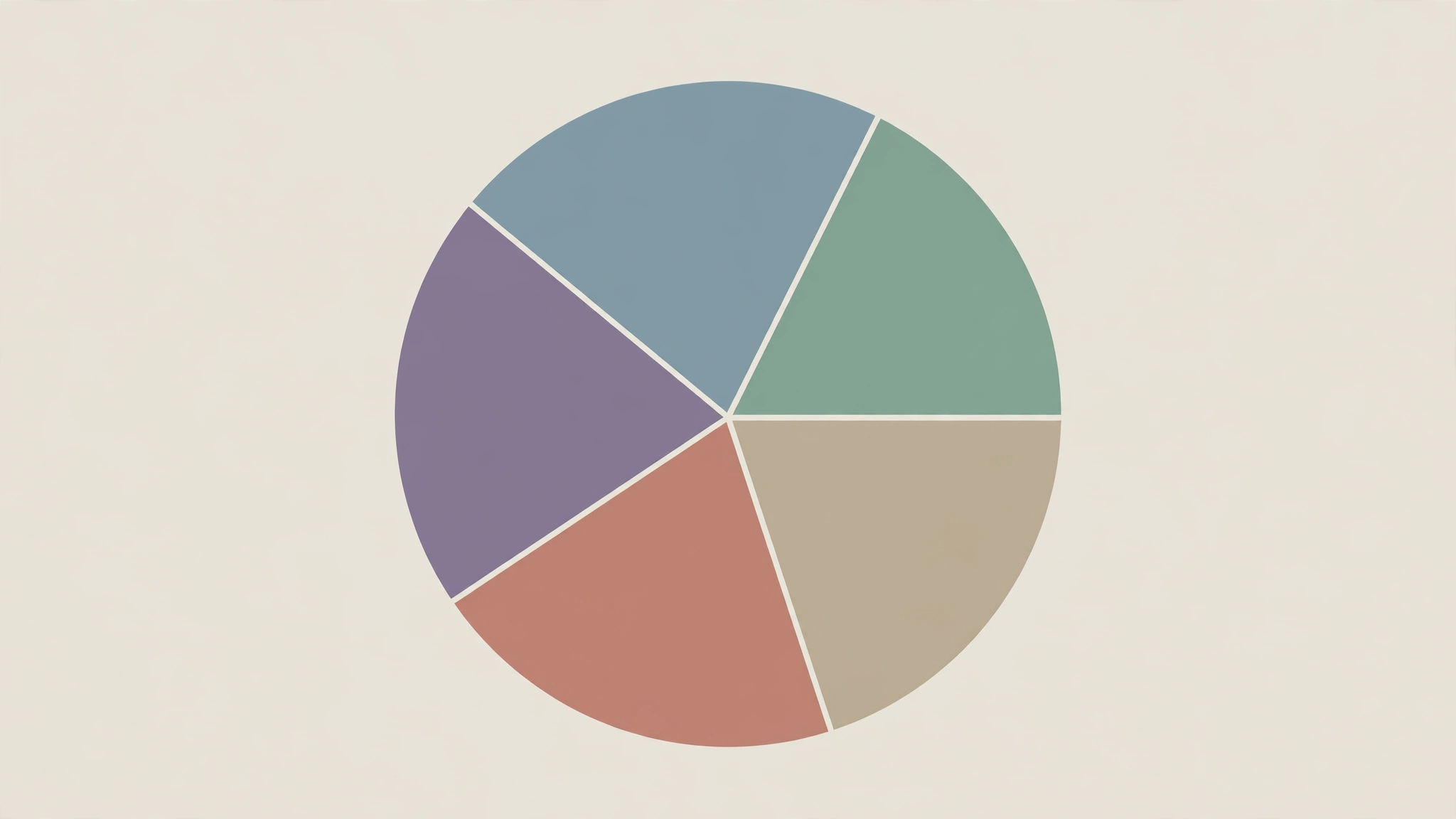
So what does a natural anchors profile look like? While there’s no universal formula (it varies by niche and site type), here are general ranges that tend to look organic:
- Branded anchors: 30-50% — the largest category for most established sites
- Naked URLs: 15-25% — very common, especially from forums and social shares
- Generic (“click here,” “read more”): 10-20% — natural filler that every profile has
- Partial match / LSI: 10-20% — provides relevance without looking forced
- Exact match: 1-5% — a small percentage is fine; more than 10% is a red flag
- Image alt text: 5-10% — depends on how visual your content is
These are guidelines, not rules. A brand-new site might have different ratios than a 10-year-old authority site. What’s important is variety and plausibility — would a real person linking naturally produce this pattern?
To audit your own profile, use Google Search Console (Links → Top linking text) for a free overview, or Ahrefs’ Anchors report for detailed analysis. Look for any single anchor type dominating unnaturally, especially exact-match commercial keywords.
For a deeper dive into optimizing these ratios, our anchor text SEO guide covers advanced distribution strategies and how to fix over-optimized profiles.
| Anchor Type | Natural Range | Red Flag |
|---|---|---|
| Branded | 30–50% | Under 10% on an established brand |
| Naked URL | 15–25% | Under 5% (looks curated, not organic) |
| Generic (“click here”) | 10–20% | 0% (unnaturally clean) |
| Partial match / LSI | 10–20% | Over 30% (keyword stuffing signal) |
| Exact match | 1–5% | Over 10% (Penguin trigger zone) |
| Image alt text | 5–10% | N/A — depends on visual content |
Anchor Text Mistakes That Trigger Penalties
These are the patterns that get sites in trouble:
Exact-match overload. If 40% of your backlinks use the anchor “buy cheap viagra online” (or your commercial keyword equivalent), that’s not natural. No organic linking pattern looks like that. Keep exact match under 5%.
Foreign language anchors. Suddenly receiving hundreds of links with Russian or Chinese anchor text when your site is in English? That’s a hacked site or negative SEO, not a coincidence. Disavow these.
Sitewide footer/sidebar links. The same keyword-rich anchor appearing on every page of another site (in their footer or sidebar) creates hundreds of identical anchors. Google discounts these and may flag the pattern.
Paid links with optimized anchors. Buying a guest post is bad enough; buying one with exact-match anchors are waving a red flag at Google’s spam team. If you must do sponsored content (properly disclosed with rel=”sponsored”), use branded or naked URL anchors.
Ignoring internal anchor text. People focus on external anchors but neglect internal ones. Using “click here” for all your internal links wastes an opportunity. Internal anchors should be descriptive — they help both users and search engines understand your site structure.
If you’ve inherited a site with bad anchor text patterns, the fix involves disavowing the worst offenders and then building new, natural links to dilute the bad ratios over time. You can’t change existing anchors, but you can shift the overall distribution.
How to Optimize Anchor Text in 2026
Practical workflow for getting anchor text right:
For outreach link building: Don’t dictate anchor text to prospects. Suggest a topic or resource, and let them choose how to link. If they ask what anchor to use, suggest your brand name or the article title — never a commercial keyword. Natural is the goal.
For guest posting: Use branded anchors or partial match in your author bio. In the article body (if you get contextual links), use descriptive anchors that fit the sentence naturally. Never force a keyword where it doesn’t belong.
For internal linking: Be more deliberate here — you control these completely. Use descriptive, keyword-relevant anchors that tell readers (and Google) what the linked page covers. Vary your anchors across different linking pages. Avoid “click here” internally.
For new content: When you publish something link-worthy, think about what anchor text people would naturally use. If your article title is clear and descriptive, people will often use it (or close variations) as their anchor — which is ideal.
Ongoing monitoring: Check your anchor distribution quarterly. Look for shifts toward over-optimization, especially after active link building campaigns. Catching problems early is much easier than recovering from a penalty.
The golden rule: if you have to ask “is this anchor text too optimized?” — it probably is. Err on the side of natural. Google rewards profiles that look like real people made real editorial decisions, because that’s exactly what they’re trying to measure.
Ahrefs’ research on anchor text confirms that the most successful link profiles prioritize variety over keyword targeting.
Frequently Asked Questions
What is anchor text in simple words?
Anchors are the clickable words in a link. When you see blue underlined text on a webpage that takes you somewhere when clicked, those words are the anchor. For example, in “read our backlink guide,” the anchor is “backlink guide.”
Does anchor text still matter for SEO?
Yes, though less dominantly than in the past. Google still uses anchor text as a relevance signal to understand what linked pages are about. However, after the Penguin updates, the emphasis shifted from keyword-rich anchors to natural, varied anchor profiles. Anchors matter most as part of overall link quality, not as an isolated factor to manipulate.
What is the best anchor text for backlinks?
There’s no single “best” anchor text — variety is what matters. A natural profile includes branded anchors (your site name), naked URLs, generic phrases (“click here”), partial match keywords, and a small percentage of exact match. If someone asks what anchor to use when linking to you, suggest your brand name or article title. Never request exact-match commercial keywords.
How many exact match anchors are safe?
As a general guideline, keep exact-match anchors under 5% of your total backlink profile. Up to 10% might be tolerable for some sites, but beyond that you’re in risky territory. The exact threshold varies by niche and Google’s current sensitivity. When in doubt, fewer exact-match anchors are always safer than more.
Want to analyze any site’s backlink profile? Try our free website authority checker.
Can I change the anchor text of existing backlinks?
You can’t directly change anchors on other people’s websites, but you can contact the site owner and politely request a change. Success rate is low — most won’t bother. A more practical approach is to build new links with better anchor text to dilute problematic ratios over time. For truly toxic anchors from spam sites, use Google’s Disavow Tool.
Done-for-you podcast backlinks
Get your brand on Apple Podcasts, Spotify, Amazon and 25 more trusted platforms — placed by hand, reported link by link.