
You just earned a great backlink from an authoritative site. Now the waiting starts — and the question every site owner asks is: how long do backlinks take to work? The honest answer is that most backlinks start influencing rankings within a few weeks to a few months, but the exact timeline depends on the linking page’s crawl rate, your site’s authority, and the strength of the link itself. Anyone promising you a precise number of days is guessing.
On this page
That answer feels unsatisfying, but it reflects how search engines actually work. A backlink doesn’t flip a switch the moment it’s published — it has to be discovered, crawled, indexed, evaluated, and factored into rankings, and each step takes time. This guide walks through that full journey, what’s realistic at each stage, and what you can do to help your links work faster.
How Long Do Backlinks Take to Work? The Short Answer
For most sites, a new backlink begins affecting rankings somewhere between two weeks and three months after it goes live. High-authority sites that Google crawls constantly can see impact in days; brand-new sites that are rarely crawled may wait months. There is no official timeline — Google has never published one — so treat every “exactly 10 weeks” claim you read as an anecdote, not a rule.
You can check any site’s authority for free with our website authority checker.
It helps to think of the timeline in stages rather than a single number. A backlink’s journey looks like this:
- Discovery and crawling (days to weeks): Google finds the linking page and fetches it. Popular, frequently-updated pages get crawled daily or even hourly; obscure pages may wait weeks between visits.
- Indexing of the linking page (days to weeks): Google processes the crawled page and adds it to the index. Only then can the link on it count toward anything.
- Link evaluation and ranking impact (weeks to months): Google’s systems weigh the link’s context, authority, and relevance, and fold it into how your pages rank. This is the slowest stage and the hardest to observe directly.
Those stages overlap — Google re-crawls pages on its own schedule, so a link’s influence can strengthen over time as the linking page itself gains authority. The first movement you see is rarely the full effect.
Why Backlinks Take Time
The delay isn’t a penalty or a queue — it’s the natural consequence of how search engines process the web. Understanding each stage explains why patience is built into the system.
Google has to find the page. The web is enormous, and Google allocates its crawling resources where they matter most. Pages on established, frequently-updated sites are crawled constantly because experience says they change often and matter. A link on a brand-new blog post on a small site might sit unnoticed for weeks simply because Google has no reason to visit that page urgently. Google’s own documentation on how Google crawls describes this prioritization: crawl budget goes to pages that are popular, updated frequently, and linked to by other important pages.
Crawling isn’t indexing. Even after Google fetches a page, it has to process and store it — rendering JavaScript, extracting links, understanding content — before the page joins the index. Most pages make it through this stage without drama, but it adds days to the timeline. And critically, a link only counts once the linking page is indexed — here’s how to get your backlinks indexed. If the page pointing to you isn’t in Google’s index yet, your backlink effectively doesn’t exist as far as rankings are concerned.
Rankings update on their own rhythm. Google’s ranking systems don’t recompute every page’s position the instant a new link appears. They reassess pages continuously as part of the crawl → index → serve cycle described in Google’s Search documentation, and the influence of any single link is folded into a much larger picture of hundreds of signals. For a well-established page with thousands of existing links, one new link is a drop in the bucket — its effect may be real but too small to notice. For a new page with few links, a single strong backlink can be the signal that moves it visibly.
Trust accrues gradually. A new link from a trusted source doesn’t instantly transfer full value — a link that’s been in place for months carries more weight than one placed yesterday, because a link that survives is more likely to be a genuine editorial endorsement than a temporary scheme.
This staged process is also why my guide on how to index backlinks focuses on the first two stages — getting your backlinks discovered and indexed is the part you can actually influence. The evaluation stage runs on its own schedule no matter what you do.
What Affects How Fast They Work
Not all backlinks work at the same speed. Several factors determine whether you’ll see movement in weeks or wait months:
The linking site’s crawl rate. This is the single biggest factor. A link on a page Google crawls daily — a major news homepage, a popular blog’s latest post — can be discovered within hours. A link buried on a page Google visits monthly might wait weeks just to be seen. High-authority sites earn frequent crawling precisely because they’re important, which is one more reason quality links work faster than weak ones.
Your site’s own crawl rate. Google needs to crawl your page too, to reassess it in light of the new link. Established sites with regular publishing get crawled often; dormant or brand-new sites get visited rarely. If your site hasn’t been crawled in a month, even a perfect backlink can’t move the needle until Google comes back to look at you.
The link’s placement and context. A link in the main body of an article, surrounded by relevant content, is processed as a meaningful editorial signal. A link in a footer, sidebar, or author bio on a page with hundreds of outbound links carries less weight and may be evaluated more slowly. Context doesn’t just affect how much a link helps — it affects how seriously Google’s systems treat it.
Competition for the keyword. In a low-competition niche, a single decent backlink can be the deciding factor that moves you from page three to page one — and you’ll notice it. In a competitive niche where the top pages have thousands of referring domains, one new link changes almost nothing measurable. The link worked; it just wasn’t enough to be visible against the noise. If you’re wondering how many links you actually need, my guide on how many backlinks you need to rank covers how to calibrate expectations by competition level.
Your page’s existing state. A backlink to a page that’s already indexed and ranking on page two can produce visible movement quickly. A backlink to a page Google hasn’t indexed yet, on a site with no authority, has a much longer road — the page itself needs to earn its place before any link can lift it.
Link velocity and patterns. A sudden flood of new links can actually slow things down: if Google’s systems flag the pattern as suspicious, the links may be discounted rather than counted. Steady, natural link acquisition — the kind described in my guide on link velocity — gets processed normally. Manufactured spikes invite scrutiny that delays or nullifies the benefit.
Realistic Timelines by Situation
With those factors in mind, here are honest expectations for common situations. These are ranges based on how the process works, not guarantees — treat them as planning estimates.
Best case: days to two weeks. You earn a link from a major publication or high-traffic site that Google crawls constantly, pointing at a page on your established site that’s already indexed and ranking. Google discovers the linking page within hours, your page gets re-crawled within days, and you may see movement in one to two weeks.
Typical case: one to three months. You earn a solid link from a respectable blog or industry site. The linking page gets crawled within a couple of weeks, indexed shortly after, and your rankings shift gradually over the following month or two. This is the normal experience for deliberate, white-hat link building — and why SEO is a months-long game.
Slow case: three to six months or more. Your site is new or rarely crawled, the linking page sits on a low-authority site Google visits infrequently, or you’re targeting competitive keywords where one link barely registers. The link may be discovered quickly but take months to move anything measurable. New sites should expect this timeline as the default, not the exception.
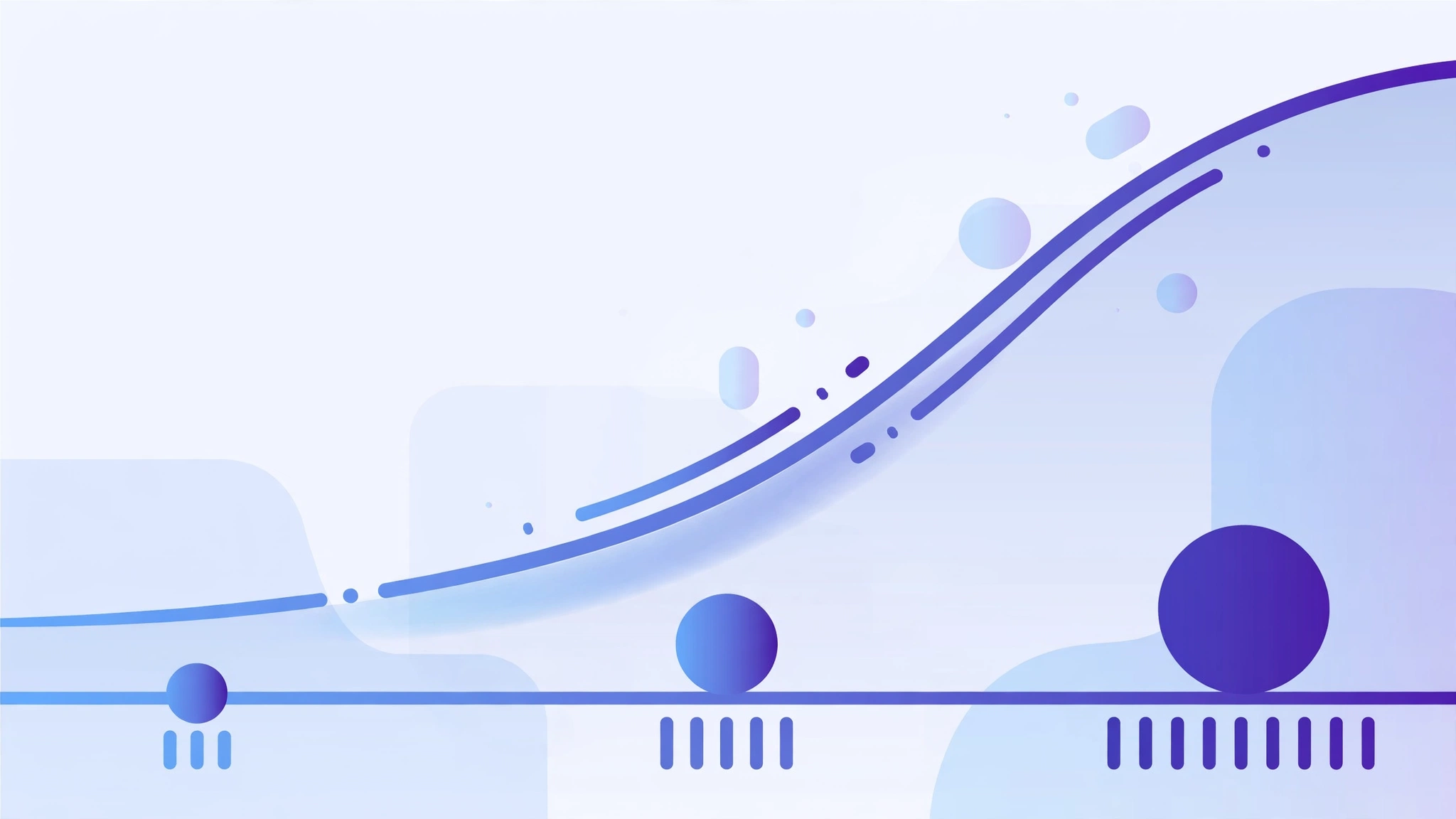
The compounding effect. Backlinks don’t just work once and stop. A link earned in January may show its first effect in March, strengthen through June as the linking page gains its own authority, and keep contributing for years. Link building is cumulative — the links you’re building now stack on top of the ones from last quarter. The sites that win are the ones that kept building through the quiet months when nothing seemed to be happening.
How to Speed Things Up (Safely)
You can’t force Google to rank you faster, but you can remove the avoidable delays in the first two stages — discovery and indexing. Everything here is legitimate; none of it involves tricking anyone.
Make sure the linking page is indexed. This is step zero and the most commonly skipped. Use Google Search Console’s URL inspection or a simple site: search to confirm the page linking to you is actually in Google’s index. If it isn’t, the link can’t help you yet — and the fix is on the linking site’s side (better internal linking, sitemap inclusion), not yours.
Keep your own site crawl-friendly. The faster Google re-crawls your pages, the faster it notices new links pointing at them. Publish regularly, maintain clean internal linking so every important page is a few clicks from your homepage, keep your XML sitemap updated, and fix crawl errors in Search Console. An active, healthy site gets visited more often — which shortens every timeline on this page.
Build links to pages Google already visits. A backlink to your homepage or a popular existing guide gets processed faster than one pointing at a brand-new page nobody visits, because Google re-crawls those pages frequently. When planning outreach, prefer deep links to your strongest existing content over links to pages you just published.
Share the linking page. When your link goes live, share the article on social media or mention it in your newsletter. This isn’t manipulation — it’s driving real traffic to the page, which increases its visibility and crawl priority through legitimate means. A page with genuine visitors gets crawled more than one with none.
Don’t do anything desperate. Ping spam, “instant indexing” services, and artificial traffic schemes all promise to speed things up. At best they do nothing; at worst they associate your links with spam patterns. The honest timeline is weeks to months — anyone selling you hours is selling something Google will ignore or penalize.
Signs Your Backlinks Are Working
Since you can’t watch a single link’s influence directly, look for these indirect signals that your link building is paying off:
Improved crawl frequency. Check Google Search Console’s crawl stats. As your site earns more quality links, Google typically visits more often — more links mean more discovered paths to your pages. Rising crawl activity is one of the earliest signs your link profile is strengthening.
More keywords ranking. Before your target keyword moves, you’ll often see the page start ranking for additional long-tail variations. A page that ranked for 5 keywords now ranking for 15 is absorbing more authority — the new links are being counted even if the headline keyword hasn’t budged yet.
Gradual position improvements. Real link-driven gains usually look like a slow climb, not a jump: position 18 to 14 to 11 to 8 over several weeks. Sudden jumps of 50 positions overnight are more often algorithm updates or technical fixes than a single backlink landing. The slow climb is the healthy pattern.
Faster indexing of new content. As your site’s authority grows from accumulated backlinks, new pages start getting indexed and ranked faster. If your latest article was ranking within days while last year’s took months, your link building is compounding exactly as it should.
Referral traffic from the links themselves. Don’t overlook the direct benefit: a good backlink sends visitors regardless of what Google thinks. If the linking page is driving real, engaged traffic to your site, the link is already “working.”
Track your rankings monthly, keep building links steadily, and judge the strategy over quarters — not weeks. The sites that quit link building after a month of no movement are the ones that never find out what month three would have brought.
Frequently Asked Questions
Quick answers to the most common questions about backlink timelines:
How long do backlinks take to work?
Most backlinks start influencing rankings within two weeks to three months. Links from high-authority, frequently-crawled sites can work in days; links pointing at new or rarely-crawled sites may take several months. There is no official timeline from Google — the exact speed depends on crawl rates, your site’s authority, and the competition.
Why isn’t my new backlink showing any effect yet?
The most common reasons: the linking page hasn’t been crawled or indexed yet, your own page hasn’t been re-crawled since the link appeared, or the keyword is competitive enough that one link isn’t enough to move the needle visibly. Check that the linking page is indexed first, then give it at least a month before judging.
Do backlinks work faster on new websites?
No — usually slower. New sites are crawled less frequently and have no established authority, so each link takes longer to be discovered and has less existing trust to build on. New sites should expect the three-to-six-month range as normal and focus on consistent link building rather than watching for quick wins.
Can I speed up how fast my backlinks work?
You can shorten the discovery stage: confirm the linking page is indexed, keep your site crawl-friendly with regular publishing and clean internal linking, and share the linking page to drive legitimate traffic to it. You cannot shortcut the evaluation stage — avoid “instant indexing” services, which at best do nothing and at worst associate your links with spam.
How do I know if a backlink is actually helping?
Look for indirect signals over weeks and months: increased crawl frequency in Search Console, more long-tail keywords ranking for the linked page, gradual position improvements, and faster indexing of new content. Also check the direct benefit — referral traffic from the linking page means the link is working regardless of rankings.
Done-for-you podcast backlinks
Get your brand on Apple Podcasts, Spotify, Amazon and 25 more trusted platforms — placed by hand, reported link by link.